
Hangar Debrief
An email newsletter for builders, pilots and maintainers of experimental, light-sport and general aviation aircraft.
Past issuesSponsor Hangar Debrief
Tips & Tools
Grounding a panel to one ground block, and what Dynon's installation guide asks of the grounds
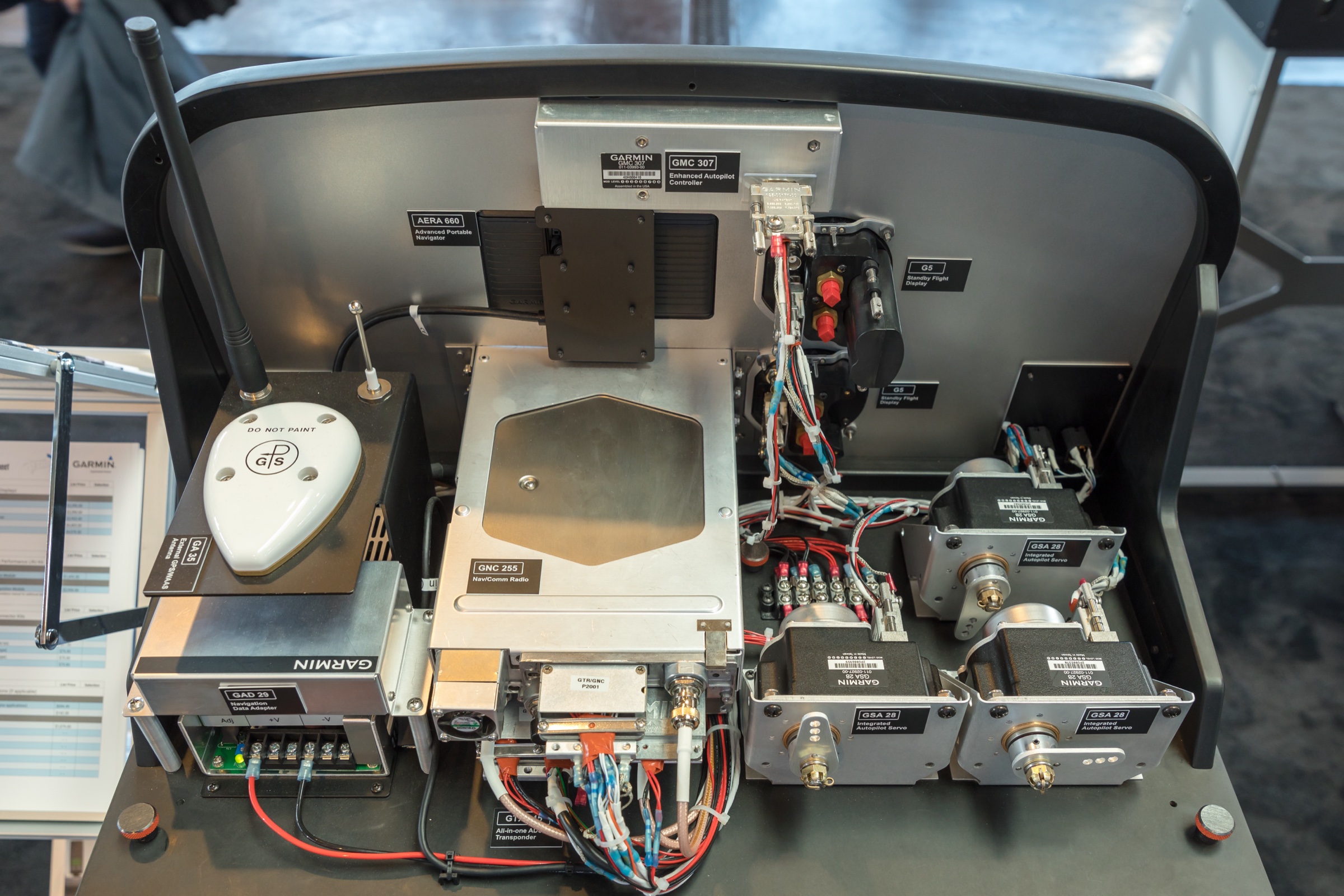
Dynon's SkyView installation guide asks that the displays, the engine monitor, every engine sensor and the electrical system share one ground, with "virtually no measurable voltage" between them. Builders commonly bring the ground wires to a single brass block of quarter-inch tabs on the firewall; Stein Air sells 24- and 48-tab blocks for $85 and $95.
11 Nov 2026

Tips & Tools
Flight Window: a Hangar Flying tool that compares seven days of dates for a round trip
Flight Window, a tool added to Hangar Flying on Nov. 1, takes a round trip and rates every departure date in the forecast against the others, leg by leg and through the stay. It doesn't check NOTAMs, winds aloft or smoke, its times and fuel assume no wind, and it isn't a briefing.
2 Nov 2026
Tips & Tools
Dimpling aluminum skins: setting up a C-frame, a DRDT-2, a rivet squeezer and close-quarter dies
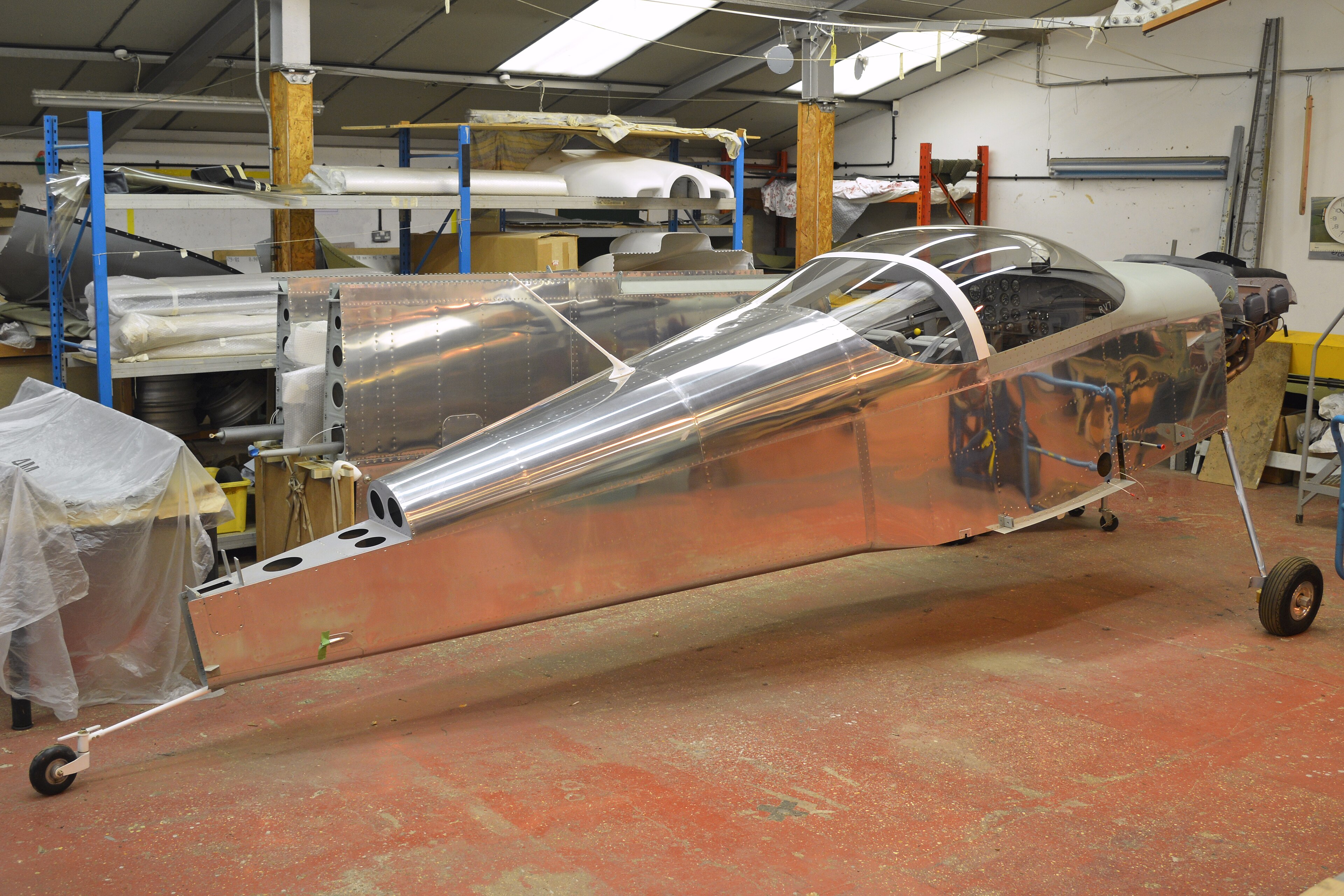
Cleaveland Tool's instructions set a C-frame's male die 1/16 inch above the table and call for two or three light blows, not one hard one. A squeezer is set with the dies touching and about an inch between the handles. The lever-driven DRDT-2 reaches 22 inches in, up to 0.040-inch aluminum. Close-quarter dies are for holes nothing else reaches.
28 Oct 2026
Tips & Tools
AC 43.13-1B, paragraphs 5-15 to 5-18: visual inspection with a flashlight, a mirror and a magnifier
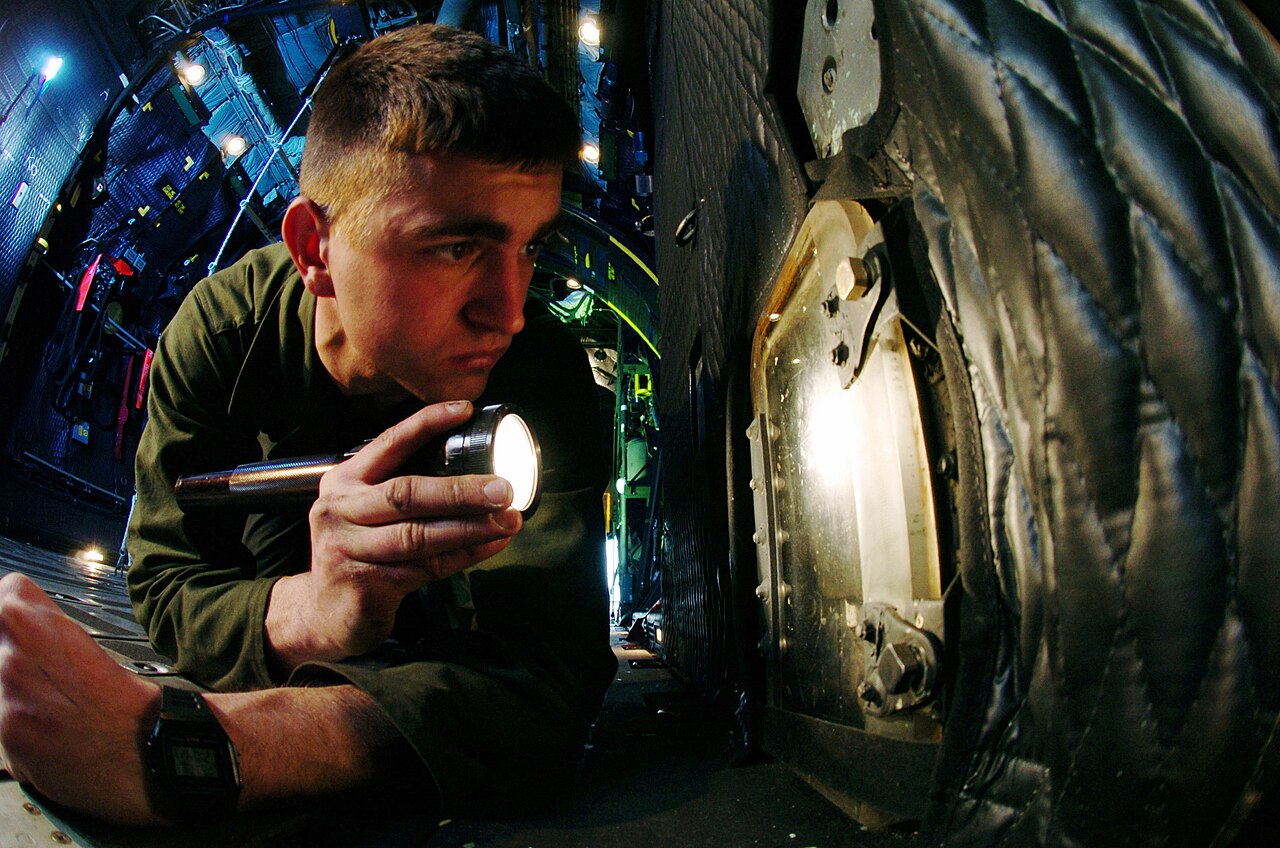
The FAA's AC 43.13-1B says about 80 percent of nondestructive inspection is done by eye, and calls the eye, a mirror and a flashlight a critical part of it. To find a surface crack, it says to hold the light at 5 to 45 degrees to the surface, keep the eyes above the reflected beam, confirm with a 10-power magnifier, and record every discrepancy.
26 Oct 2026
Tips & Tools
AC 43.13-1B, paragraphs 7-122 to 7-126: safety wire, and the rules common to every installation
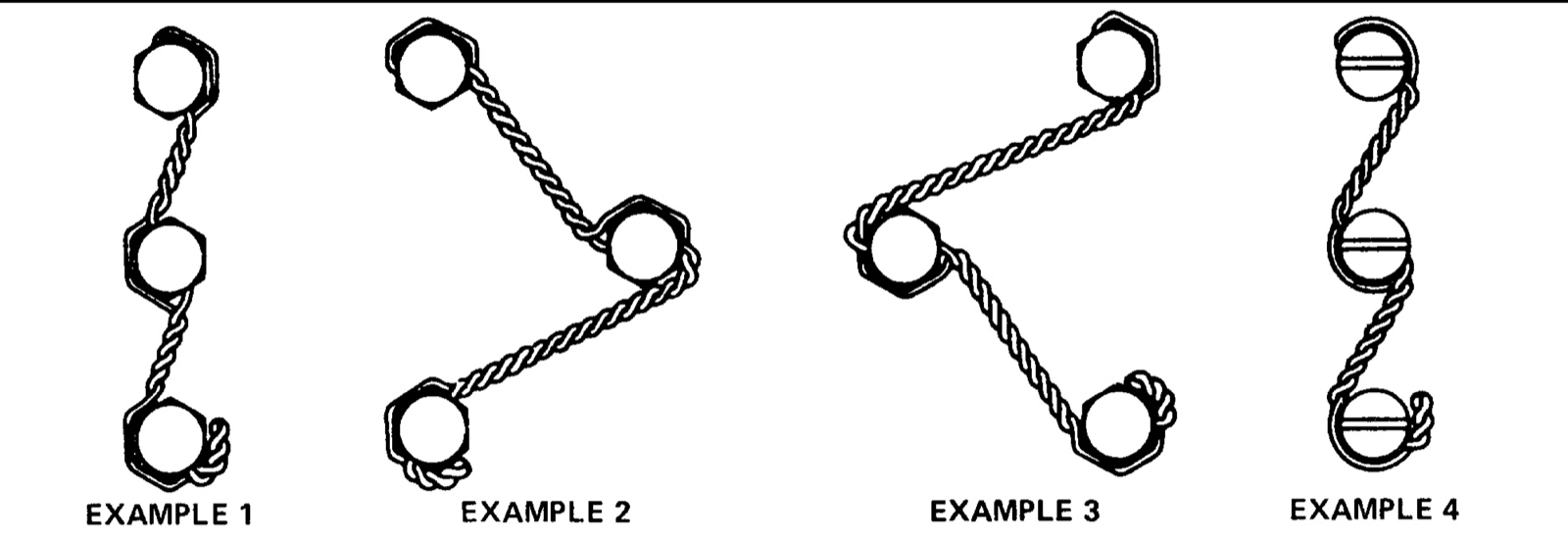
The FAA's AC 43.13-1B gives the rules for safety wire: 0.032-inch minimum for the double-twist method on most parts, wire installed so it pulls in the tightening direction, taut but never overstressed, four to six turns left at the end, and ends bent under. A nut is never loosened or overtorqued to line up a hole.
11 Oct 2026