
A pilot who planned to leave on a Friday afternoon cross-country on November 13 found that the whole country was closed to departures. At 3:54 p.m. Eastern time the FAA's Air Traffic Control System Command Center ordered every airport in the United States ground stopped. The order stood for a little more than four hours.
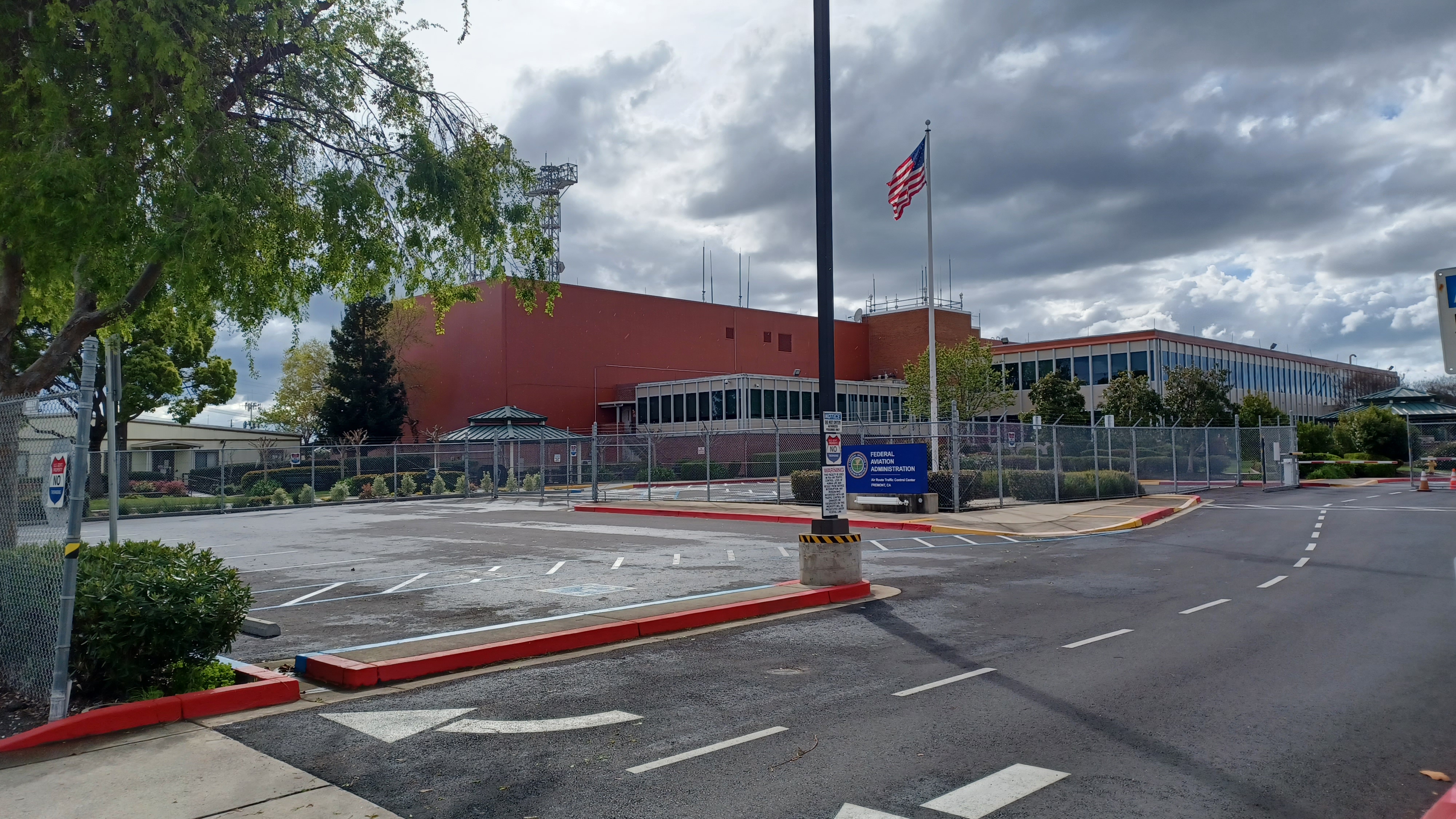
The FAA's own account so far is three sentences, marked preliminary: "The FAA issued a nationwide ground stop for all U.S. airports following communication issues impacting multiple Air Route Traffic Control Centers. FAA technicians are investigating the issue. We will provide updates." As of Saturday morning, November 14, that statement had not been updated, and the FAA had published no cause.
What the order said
The order was Command Center advisory 111, headed "National Ground Stop" and issued at 2054 UTC. Its text, in full:
Due to extraordinary circumstances and for reasons of safety. Attention all aircraft operators, by order of the Federal Aviation Command Center all airports are ground stopped. All departing traffic should remain ground stopped until further notice. Inbound international flights will be managed on a case by case basis.
Later advisories filled in a little. Advisory 117, at 2121 UTC, extended flight plan drop times, the time a filed flight plan stays in the system, "to 240 minutes for all enroute centers due to nationwide comms failure." Advisory 120, at 2246 UTC, gave the reason as "communications failure" and said that "as enroute facilities recover, flights will be allowed to depart through coordination with the Air Traffic Control System Command Center." The operations plan issued at the same time described "a tiered approach for releasing more traffic as limitations are reduced and volume can be increased."
The cancellation was advisory 005 of November 14, issued at 0119 UTC, or 8:19 p.m. Eastern: "The FAA Command Center nationwide ground stop has been cancelled." By Saturday morning the FAA's airport status page listed no ground stops and no delay programs.
What officials have said about the cause
Nothing on the cause has come from the FAA in writing. What is known comes from Transportation Secretary Sean Duffy, as news outlets quoted him Friday night. In a post quoted by Fox Business, he said the FAA "experienced telecommunications issues at facilities & TRACONs across the country" starting at 3:36 p.m. Eastern, that the stop was ordered "out of an abundance of caution while 3,500+ planes were in the air," and that it was lifted at 8:15 p.m. The same post said the FAA "did not lose all radar or telecom, and exceptions were made to allow critical medevac, life-saving cargo, and law enforcement flights to continue operating."
AVweb reported that officials blamed overloaded switches and routers in the FAA's older telecommunications equipment, that Homeland Security Secretary Markwayne Mullin said investigators had found no evidence of a cyberattack, and that the investigation was still open. AVweb also reported it was the first nationwide ground stop since the NOTAM system outage of January 2023.
What it meant for light airplanes
Here the record is thin. The FAA's Pilot/Controller Glossary defines a ground stop as "a process that requires aircraft that meet a specific criteria to remain on the ground," and adds that ground stops "normally occur with little or no warning." The glossary's examples are all narrow: departures to one airport, or into one sector. This one named "all aircraft operators," "all airports" and "all departing traffic," and the advisories Hangar Debrief read made no exception for VFR flights or for airports without a tower.
Whether the FAA meant the order to hold a VFR flight that asks nothing of air traffic control, and whether IFR clearances and Flight Service were available to light airplanes during those hours, the FAA hasn't said. AOPA and EAA had published nothing on it by Saturday morning. The National Business Aviation Association called it "a rare, widespread event with global implications" and told its members that "recovery will not be immediate." The only word on small airplanes during the restart is AVweb's report that Duffy said larger charter flights, carrying 60 to 100 passengers, would get priority over smaller aircraft.
Where an owner can look next time
This ground stop was issued as a Command Center advisory. The two places the FAA posts one as it happens are both public and need no account:
- The National Airspace System Status page shows ground stops, ground delay programs and airport closures in effect.
- The Command Center's advisories database holds the text of each advisory, including the order itself and its cancellation.
On a day like this one, the order's words are the thing to read. This one told all departing traffic to stay on the ground, and until the FAA says otherwise that is how a pilot should read the next one.
What is not known
- The cause, and which system failed, in the FAA's own words.
- Whether the order applied to VFR departures from airports without a tower, and what services light airplanes could get while it stood.
- Whether the FAA will change anything for general aviation as a result.
Hangar Debrief will write again when the FAA publishes its findings.
Sources
- FAA, FAA Statement on Nationwide Ground Stop, November 13, 2026, marked preliminary; also on the FAA's general statements page. Read November 14, 2026.
- FAA Air Traffic Control System Command Center, advisories of November 13, 2026: 111 (National Ground Stop, 2054 UTC), 117 (flight plan drop times, 2121 UTC), 119 (operations plan, 2246 UTC) and 120 (Nationwide Ground Stop, 2246 UTC); and of November 14, 2026: 005 (cancellation, 0119 UTC). Read November 13 and 14, 2026.
- FAA, National Airspace System Status, read at 1600 UTC November 14, 2026.
- FAA, Pilot/Controller Glossary, "Ground Stop (GS)." Read November 14, 2026.
- Fox Business, Nationwide FAA ground stop lifted, November 13, 2026, for Secretary Duffy's post as quoted.
- AVweb, FAA Rules Out SMART AI System as Cause of Nationwide Ground Stop, November 13, 2026, for the officials' account of the cause, the restart priority and the January 2023 comparison.
- National Business Aviation Association, NBAA Statement on FAA's Nationwide Ground Stop, November 13, 2026.
- Photo: Oakland ARTCC by ECTran71, Wikimedia Commons, CC BY-SA 4.0.