
An amateur-built airplane needs a condition inspection every 12 calendar months, and its operating limitations say who may sign for it. The person who built the airplane can be one of them, but not automatically. Finishing the airplane doesn't bring a certificate with it. The builder has to apply for one, and it goes with the person rather than the airplane, which is what catches a buyer out years later.
Who qualifies
The rule is 14 CFR 65.104, and it's short. An applicant must be at least 18, be the primary builder of the airplane, show the FAA the skill to determine whether it's in a condition for safe operation, and be a U.S. citizen or lawful permanent resident.
FAA Advisory Circular 65-23B, issued September 27, 2024, says how that works in practice:
- The applicant provides FAA Form 8130-12, notarized, attesting to building more than 50 percent of the airplane.
- The applicant presents evidence of building it, such as a construction logbook, pictures or drawings.
- The applicant demonstrates to the certificating FAA inspector the ability to perform condition inspections.
Only one person can be the primary builder. When a school, club or partnership builds an airplane, the circular says one individual may be considered for the certificate, such as the class instructor or designated project leader. Companies that produce experimental aircraft aren't eligible.
Anyone who bought a project partway through should look at that 50 percent statement early. The form is a personal attestation, so the seller's records and the buyer's own build log both matter.
What it allows
It allows condition inspections, and only on the airplane the holder built. The certificate identifies that airplane by make, model and serial number. It's effective until surrendered, suspended or revoked, under 14 CFR 65.15, so there is nothing to renew. A second airplane needs its own qualification.
The inspection follows the scope and detail of part 43 appendix D, and the limitations say how to record it. The circular's typical wording for the logbook entry is:
I certify that this aircraft has been inspected on (insert date) in accordance with the scope and detail of part 43, appendix D, and found to be in a condition safe for operation.
The entry also gives the total time in service and the name, signature, certificate type and number of the person who did the inspection. An owner should copy the wording from the airplane's own limitations, since the circular says they may be similarly worded rather than identical.
The certificate has nothing to do with who may turn wrenches. Under 14 CFR 43.1(b), part 43 doesn't apply to an aircraft issued an experimental airworthiness certificate, unless it previously held a different kind. That's why a builder doesn't need a repairman certificate to maintain the airplane. The condition inspection is the piece the limitations reserve. The certificate also grants none of the privileges in 14 CFR 65.103, which belong to a different repairman certificate.
Applying
The form is FAA Form 8610-3, Airman Certificate and/or Rating Application for repairmen. The circular says to check the box at the top for "§ 65.104 Experimental Aircraft Builder Repairman," complete sections I, II and IV, check section II block B, enter the airplane's make, model, serial number and certification date, and submit it to the responsible Flight Standards District Office.
An applicant who meets the requirements gets a temporary certificate, FAA Form 8060-4. The permanent one is mailed within 120 days. Older guidance named a different form number, so a builder should work from the circular's 2024 edition, and get the form itself from faa.gov/forms.
When the airplane is sold
The certificate stays with the builder. A buyer can't get one for that airplane, because a buyer isn't its primary builder. That's true however well the buyer knows the airplane and however much work the buyer has done on it since.
The circular says the builder should surrender the certificate when the airplane is destroyed or sold, but may keep it in order to do condition inspections for the new owner. So one choice for a buyer is to ask whether the builder kept it and will go on doing the inspections.
The other choices depend on the operating limitations:
- An A&P mechanic. The circular's typical limitation names a mechanic holding an airframe and powerplant rating, and it also says certificated repair stations may inspect when the limitations provide for it.
- A light-sport repairman. Under 14 CFR 65.107, an inspection rating takes a 16-hour FAA-accepted course and a written test from the provider. An airplane certificated before the FAA's current order typically needs its limitations amended before a holder can use it, as Hangar Debrief explained in October. The circular's typical wording predates that change, so it doesn't mention these repairmen.
A prospective buyer can settle most of this before any money changes hands: read the limitations, see who signed the last few condition inspections, and find out who will sign the next one.
Sources
All read November 2, 2026, except as noted.
- FAA, Advisory Circular 65-23B, Certification of a Repairman (Experimental Aircraft Builders), September 27, 2024, paragraphs 7 to 12 and Appendix A.
- 14 CFR 65.104, repairman certificate, experimental aircraft builder; 14 CFR 65.15, duration of certificates; 14 CFR 65.107, repairman certificate (light-sport).
- 14 CFR 43.1, applicability of part 43.
- Hangar Debrief, Light-sport repairmen may now do condition inspections on amateur-built aircraft, from the FAA's MOSAIC pages, read October 11, 2026.
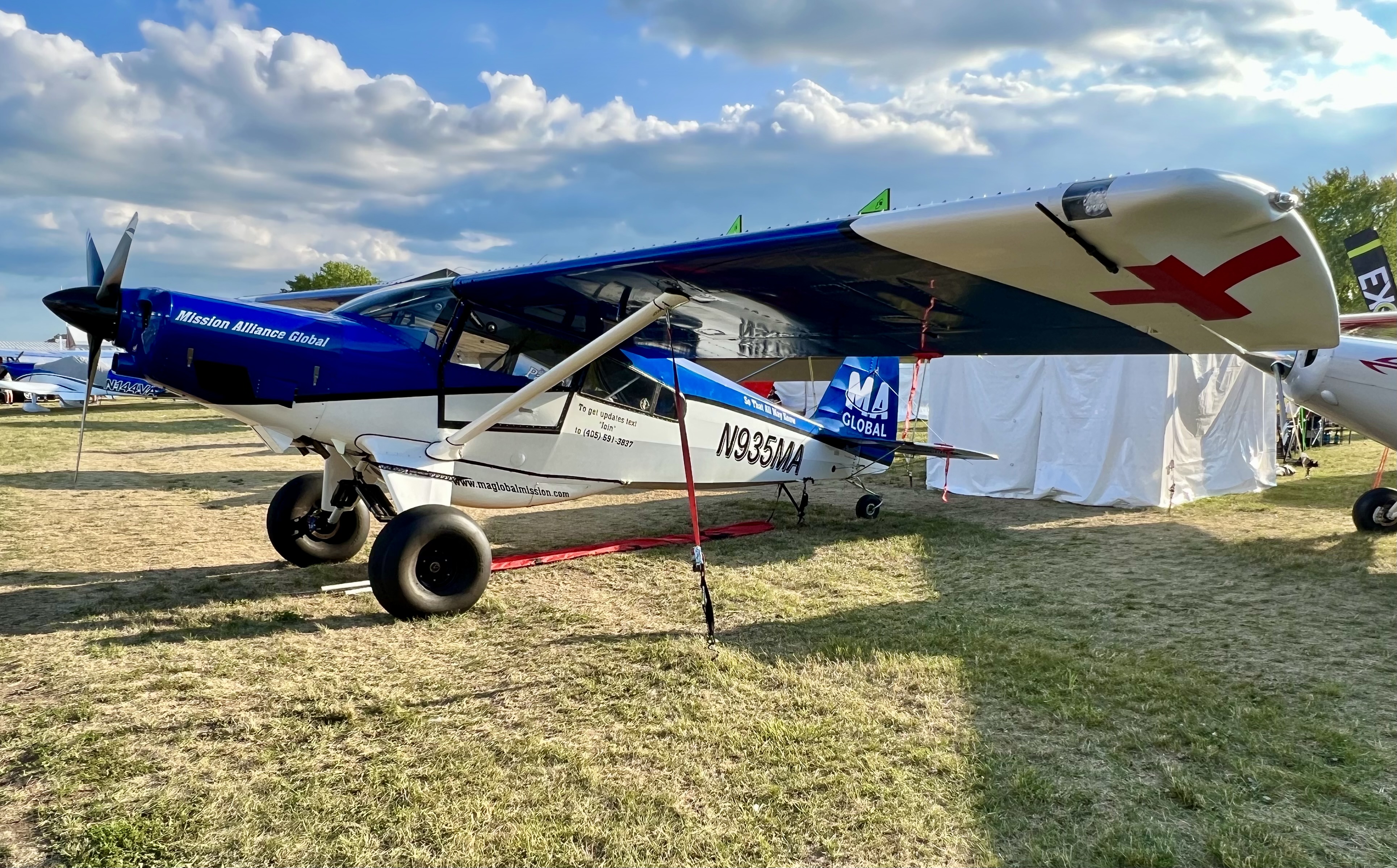
- Photo: Bearhawk Model 5, perspective view by Unixxx, Wikimedia Commons, CC BY-SA 4.0.