
The owner of a Kodiak, a PC-12, a TBM or a Caravan has always had the same choice as the owner of a Cessna 150: an annual inspection, a 100-hour inspection or a progressive program. That changes on January 11, 2027. A final rule the FAA published on November 10, 2026 lets the owner or operator of a single-engine turbine airplane choose instead the inspection program the manufacturer recommends, or one the owner writes and the FAA approves, as owners of turbine helicopters have been able to do since 1989.
The rule changes more than that. It rewrites the part 91 section every owner answers to between inspections, 91.405, and it moves the line that keeps experimental and light-sport aircraft out of the annual inspection rule.
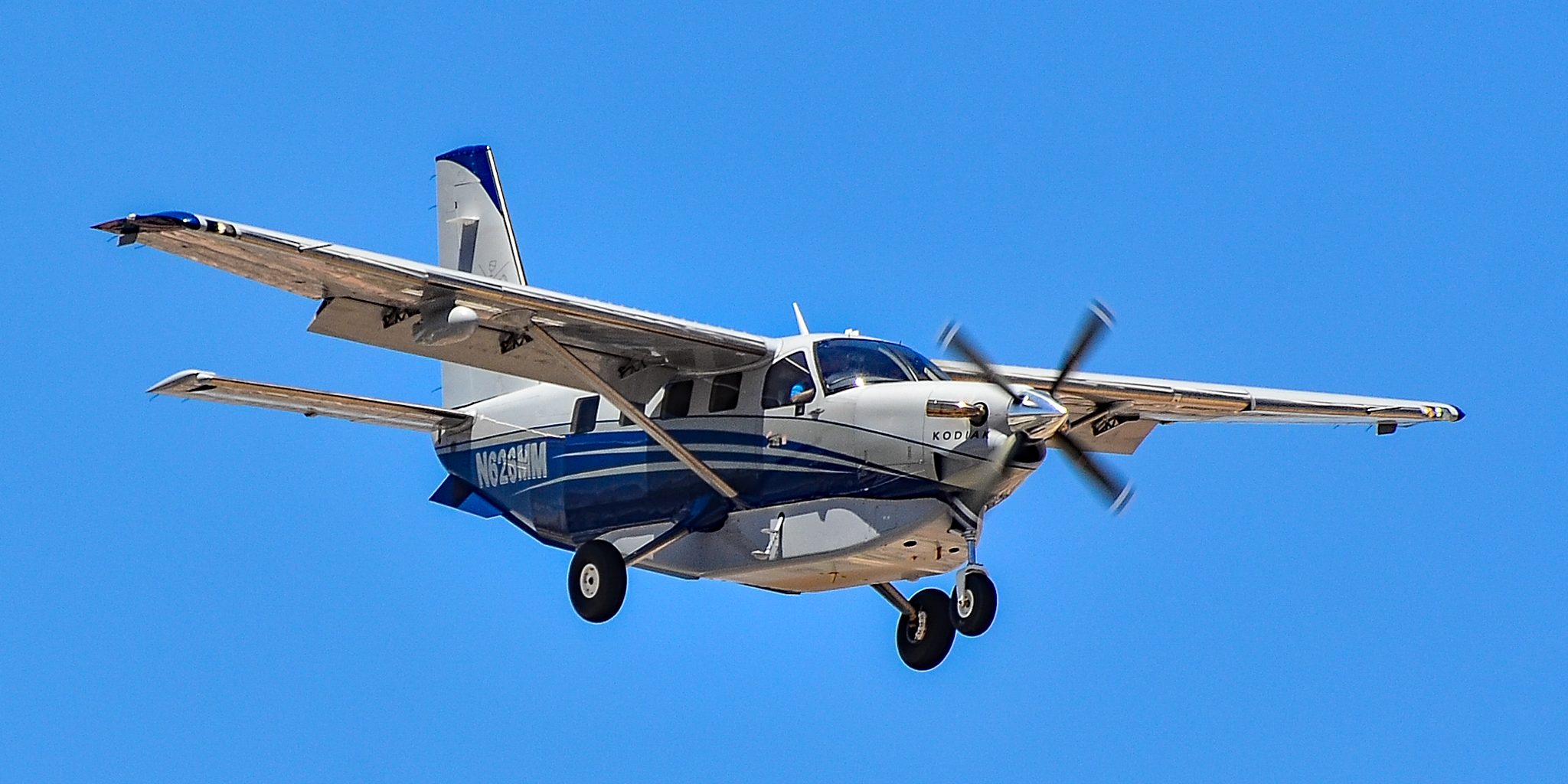
Single-engine turbine airplanes
Until now, 91.409(e) let only large airplanes, multiengine turbine airplanes and turbine rotorcraft use the programs listed in 91.409(f). The FAA says single-engine turbine airplanes were left out in 1989 because there were few of them; today more than 4,500 are registered in the U.S.
Under the new 91.409(e)(2), the owner or operator of one "may elect" a program under 91.409(f) in place of the annual, 100-hour or progressive inspection. The choices include an inspection program recommended by the manufacturer, "the most current program available at the time of selection," and a program the registered owner or operator writes and has approved by the FAA. The owner who makes the switch has to:
- identify the program chosen in the aircraft maintenance records,
- make a copy available to whoever does the inspections, and to the FAA on request,
- comply with the replacement times for life-limited parts in the type data, and inspect the whole aircraft, including the engine, propeller, appliances and emergency equipment, to the program.
It is voluntary. The annual stays available, and nothing requires a manufacturer to publish a program. The FAA's estimate of the savings assumes every maker of single-engine turbine airplanes will; one manufacturer told the FAA a program built on the airlines' MSG-3 method could save about $9,492 an airplane, in 2024 dollars, against an annual inspection program. Which manufacturers will offer one, and when, isn't known yet.
91.405, for every owner
Section 91.405 is the owner's duty between inspections. Today paragraph (a) says discrepancies are to be "repaired as prescribed in part 43." From January 11 it says they are to be "evaluated and dispositioned or corrected, as appropriate, through inspection, overhaul, repair, preservation, or the replacement of parts, in accordance with part 43," or deferred as 91.213 allows. The FAA's point is that repair isn't the only answer to a discrepancy.
Paragraph (c), on equipment left inoperative under 91.213(d)(2), today says it must be "repaired, replaced, removed, or inspected at the next required inspection." The FAA says the new wording makes clear that there is no limit on how long such an item may stay inoperative, as long as it is looked at at each required inspection and it has no adverse effect on the aircraft's continued safe operation. Paragraph (d) now says the placard must mark the item "inoperative," matching 43.11 and 91.213.
Experimental and light-sport aircraft
Today the exclusion for experimental and light-sport aircraft sits in 91.409(c)(1), so it reaches only the annual and 100-hour inspections. The rule moves it to 91.401(c)(4), which says sections 91.405 and 91.409 do not apply to "an aircraft that carries a current experimental, light-sport, or provisional airworthiness certificate, unless specified in an additional operating limitation under § 91.317 or § 91.319." As written, that takes those aircraft out of 91.405 as well, which they are not out of today. The FAA's discussion of the rule describes the change only as gathering applicability provisions into one section and doesn't say what it means for 91.405.
For an amateur-built airplane, nothing in this rule touches the operating limitations, which still set the condition inspection, who may do it and how it is recorded. The limitations are where an owner looks first.
Special flight permits and repair stations
A new 91.403(e) says an aircraft flown on a special flight permit must be flown within the permit's conditions and limitations and must have been "inspected to the extent necessary to determine the aircraft is in a condition for safe operation for the intended flight." Repair stations no longer have to keep "current" technical data for aircraft they aren't working on; the FAA says that will spare them manuals and subscriptions they don't use.
On Hangar Flying: MRO keeps an aircraft's maintenance records and what is coming due, including the program it is inspected under.
Sources
- FAA, Inspection Programs for Single-Engine Turbine-Powered Airplanes and Unmanned Aircraft; and Miscellaneous Maintenance-Related Updates, final rule, Federal Register, November 10, 2026 (91 FR 72397), Docket No. FAA-2024-0025, effective January 11, 2027. Read in full November 10, 2026, in the Government Publishing Office's copy.
- Docket FAA-2024-0025 at regulations.gov, with the proposal of January 31, 2024, the comments and the regulatory impact analysis.
- 14 CFR 91.401, 91.405 and 91.409 as they stand before the rule, eCFR, read November 10, 2026.
- FAA Aircraft Registry, N626MM, read November 10, 2026.
- Photo: N626MM Quest Kodiak 100 s/n 100-0176.jpg) by Tomás Del Coro, Wikimedia Commons, CC BY-SA 4.0.