
Hangar Debrief
An email newsletter for builders, pilots and maintainers of experimental, light-sport and general aviation aircraft.
Past issuesSponsor Hangar Debrief
27 articles tagged Light-sport

Design & Build
Vickers Aircraft USA announces the FAST4, a planned four-seat carbon-fiber single with a 235-knot cruise target
Vickers Aircraft USA, maker of the WAVE amphibian, has announced the FAST4, a low-wing, all-carbon-fiber four-seater with folding wings and a BRS parachute. Its targets are 235 knots true at maximum cruise, 1,300 nautical miles with four adults and full fuel, and a 1,520-pound useful load. Vickers names no engine, price or first-flight date; its posts report no WAVE delivered to a customer yet.
6 Nov 2026

Test & Fly
Electra's EL2 demonstrator, an airplane, took off and landed at the Downtown Manhattan heliport
On Oct. 26, Electra test pilot Cody Allee landed the two-seat EL2, a hybrid-electric blown-lift airplane, on Manhattan's Downtown Skyport and flew it out again. Electra believes it's the first airplane without vertical takeoff to do so. The company gave no measured distances for the day and hasn't said how the flights were approved.
3 Nov 2026

Avionics & Electrical
Avidyne's 2026 prices end Dec. 31; its annual increase comes with 2027
Avidyne told customers on Nov. 3 that its 2026 pricing expires Dec. 31, 2026, ahead of its annual 2027 increases, and that orders must be placed and delivered to the dealer by Dec. 30. It didn't say how much prices will rise or which products are affected.
3 Nov 2026

Avionics & Electrical
EFISCharts: a $39 and $49 a year chart service for Dynon and AFS displays
EFISCharts, launched Oct. 22, sells FAA charts for Dynon SkyView, Dynon D-series and AFS displays at $39 a year for VFR and $49 with IFR, against $119 for the Seattle Avionics charts Dynon offers. It adds satellite-picture diagrams for 3,300 airports the FAA doesn't draw. Its own terms say the charts aren't for primary navigation.
3 Nov 2026
Tips & Tools
Flight Window: a Hangar Flying tool that compares seven days of dates for a round trip
Flight Window, a tool added to Hangar Flying on Nov. 1, takes a round trip and rates every departure date in the forecast against the others, leg by leg and through the stay. It doesn't check NOTAMs, winds aloft or smoke, its times and fuel assume no wind, and it isn't a briefing.
2 Nov 2026
Directives & Bulletins
AD 2026-22-03: turbocharger valve housing replacement on FAA-certified Rotax 915 iSc and 916 iSc engines
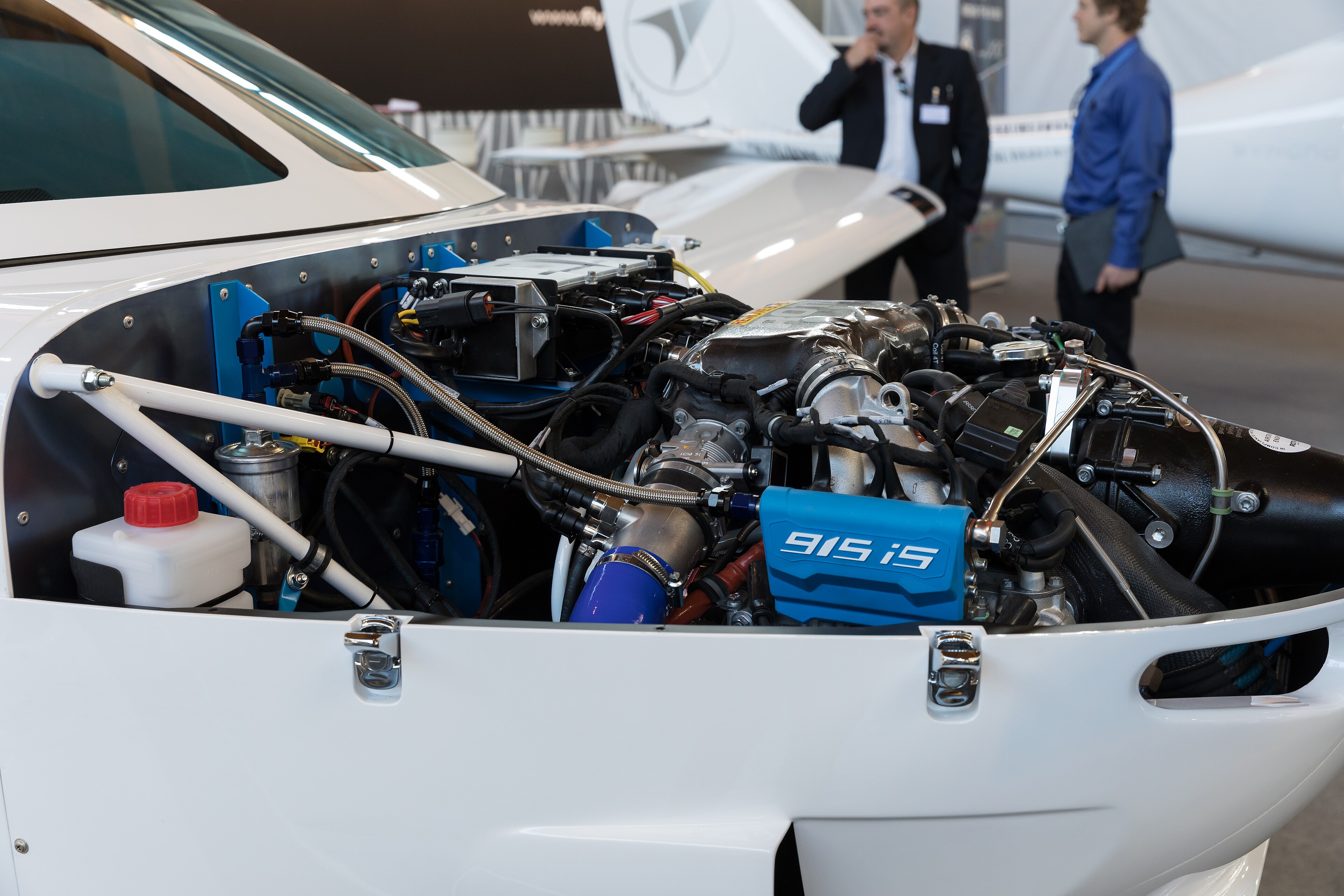
AD 2026-22-03 requires the turbocharger valve housing work on six FAA-certified Rotax 915 iSc and 916 iSc models, and the FAA says before further flight after the effective date. The document gives two effective dates, November 4 and November 23. It does not reach the non-certified 915 iS and 916 iS, but Rotax's alert bulletin calls for the same work on listed engines.
2 Nov 2026

Avionics & Electrical
What builders are putting in their panels in 2026: 2,455 designs counted
Of 2,455 instrument panels designed in Hangar Flying's Panel Designer this year, Garmin's G3X Touch, Dynon's SkyView HDX and Garmin's AXIS each appear in roughly one design in seven. AXIS got there less than four months after Garmin announced it. The Garmin G5 is the most-placed instrument of all, in 783 designs.
27 Oct 2026
Upgrade & Maintain
Preheating a piston engine in cold weather: Lycoming's 10°F line, hot air and installed heaters
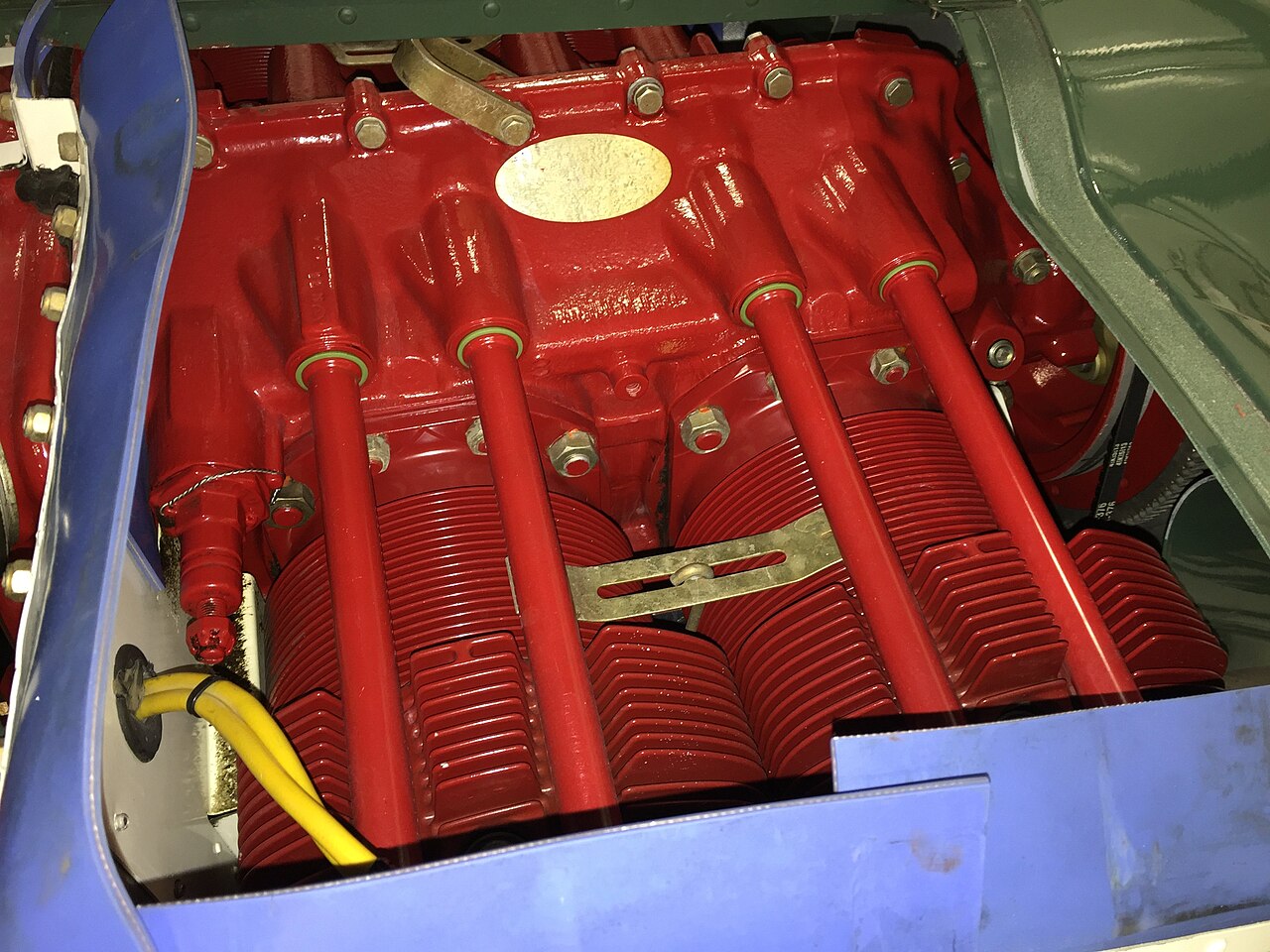
Lycoming Service Instruction 1505 requires preheat when a Lycoming engine has cooled below 10°F (20°F for -76 series engines such as the O-320-H and O/LO-360-E). An owner can preheat with a high-volume hot-air heater, following the instruction's steps, or install an electric system such as Hartzell Preheat's Tanis or Reiff heaters. A heated dipstick alone is not approved.
27 Oct 2026
Design & Build
AC 43.13-1B, paragraph 4-57: rivet identification, edge distance, spacing and blind rivets
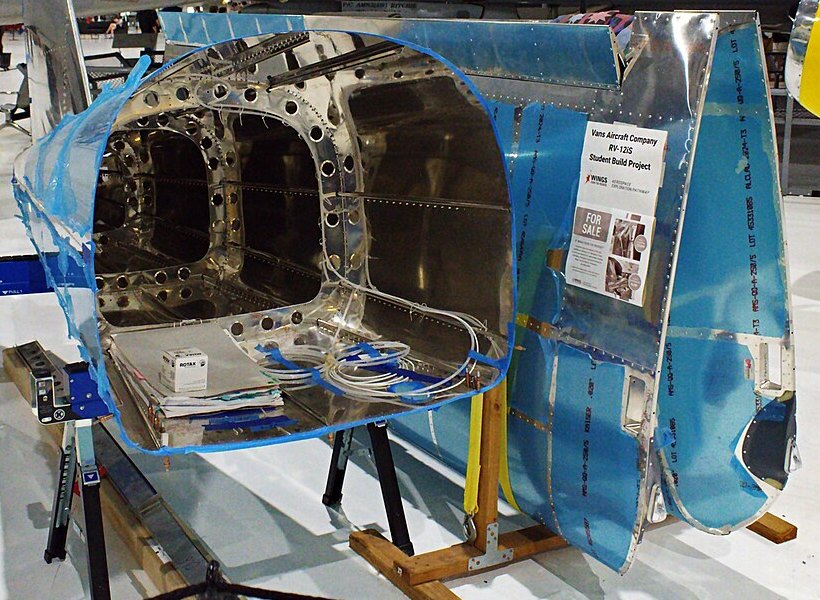
The FAA's AC 43.13-1B, paragraph 4-57, says how to read a rivet's part number and head marking, puts the minimum edge distance for a single row at two rivet diameters and spacing at three, and lists the places blind rivets are not to be used, among them control surfaces, hinges, wing attach fittings and fluid-tight areas.
26 Oct 2026
Avionics & Electrical
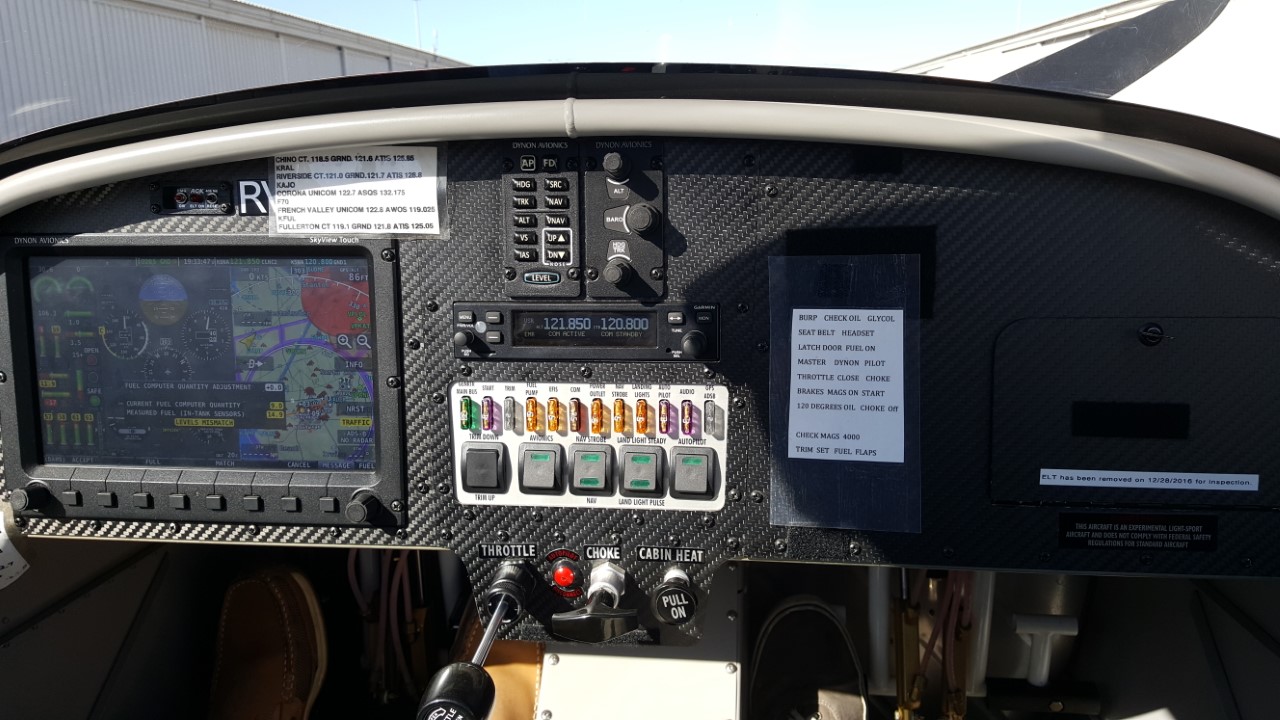
AC 43.13-1B, paragraphs 11-115 to 11-126: routing, clamping and protecting wire bundles
The FAA's AC 43.13-1B gives the figures for routing aircraft wire: bend radius at least 10 times the largest wire's diameter, no more than 1/2 inch of sag between supports, 3/8 inch of clearance at grommets, 1/2 inch from movable controls, and wire routed above fuel, oil and hydraulic lines, 6 inches away where possible and never closer than 2 inches unless clamped or connected to it.
26 Oct 2026
Upgrade & Maintain
FAA SAIB 2026-10R1: restraint labels, the 3,000-pound rating and the shoulder harness Y-junction
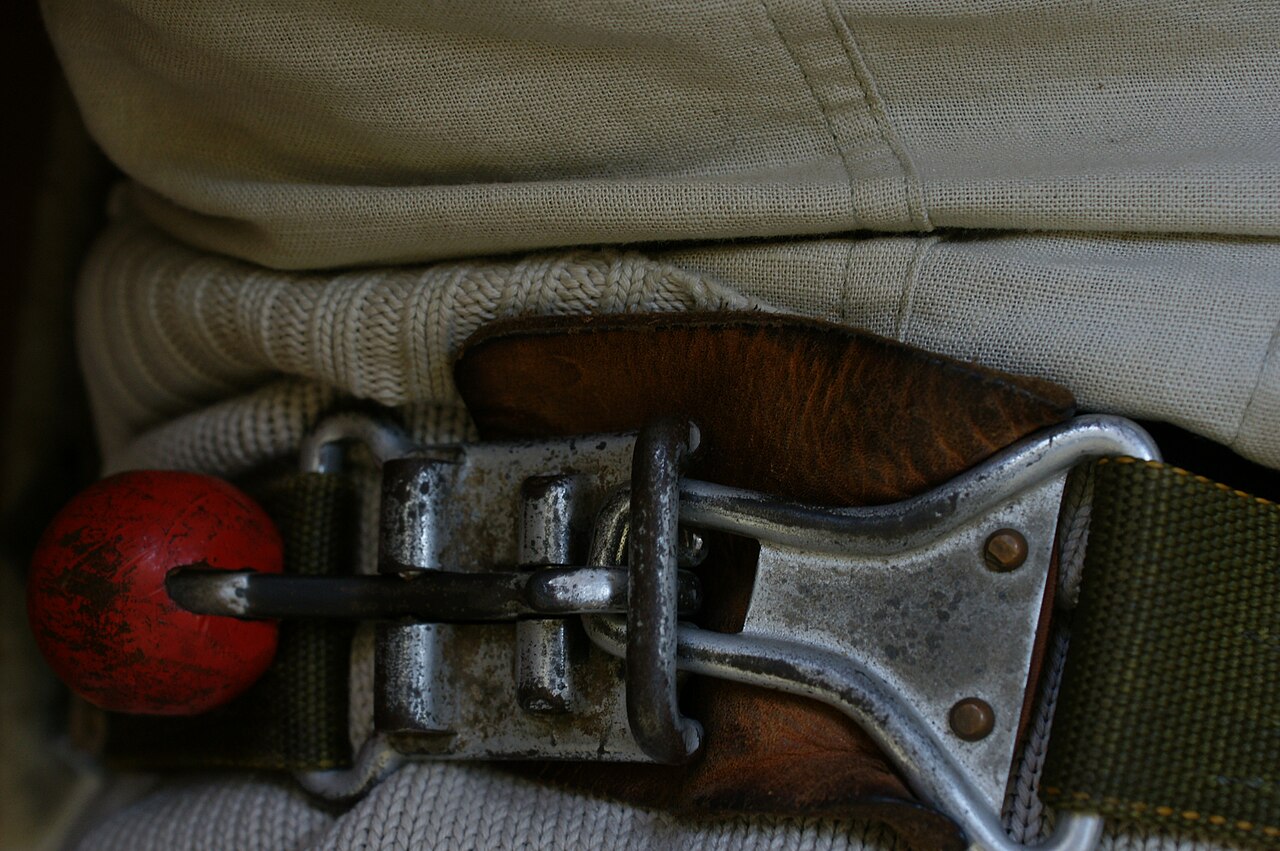
FAA SAIB 2026-10R1 recommends that owners check the label on every seat belt and shoulder harness for TSO-C114 or TSO-C22g, or a rated strength of 3,000 pounds or more, and replace any that falls short or has no readable label. The NTSB has found restraint failures in at least 16 general aviation accidents, many at the stitching of the shoulder harness Y-junction.
26 Oct 2026
Tips & Tools
AC 43.13-1B, paragraphs 5-15 to 5-18: visual inspection with a flashlight, a mirror and a magnifier
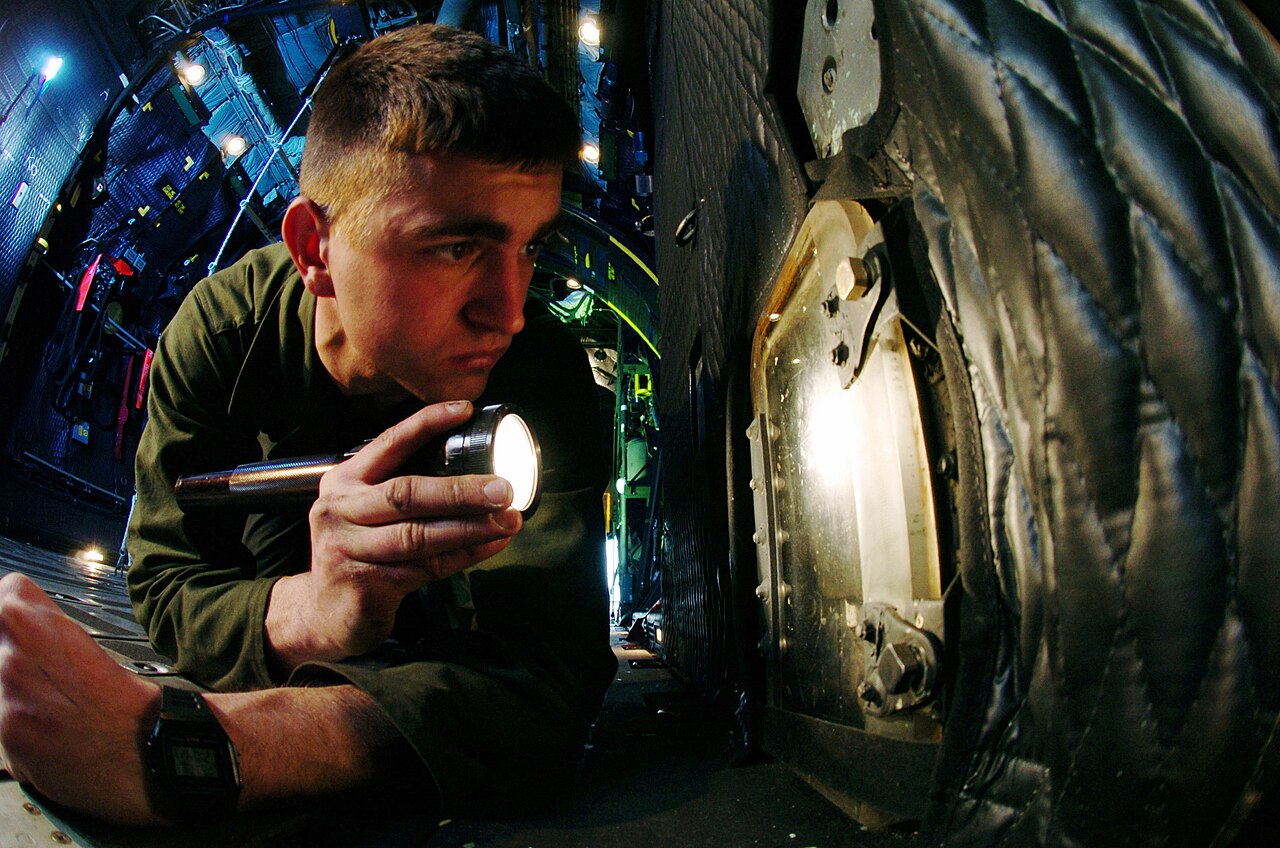
The FAA's AC 43.13-1B says about 80 percent of nondestructive inspection is done by eye, and calls the eye, a mirror and a flashlight a critical part of it. To find a surface crack, it says to hold the light at 5 to 45 degrees to the surface, keep the eyes above the reflected beam, confirm with a 10-power magnifier, and record every discrepancy.
26 Oct 2026

Avionics & Electrical
How deep is it behind the panel? Today's displays, navigators and radios measured
Most of today's flight displays need only 3 to 3.6 in. behind the panel. The boxes in the stack need far more: a GTN 650Xi, GNC 355 or GTR 225A runs past 11 in. with connectors. Garmin's GPS 175, at 6.58 in., is the shallowest IFR navigator in the list. In a shallow panel, depth decides the layout before price does.
21 Oct 2026

Avionics & Electrical
Backup instruments for an all-glass panel: what 91.205 lists, and what builders choose
14 CFR 91.205(d) lists the instruments for IFR, among them a gyroscopic pitch and bank indicator, a direction indicator and a slip-skid indicator. In an all-glass panel, a small backup display with its own battery is the usual answer. In Hangar Flying's 2026 designs the Garmin G5 leads (783 designs), then the GI 275 (407), the uAvionix AV-30 (167) and the Dynon D30 (107).
19 Oct 2026

Avionics & Electrical
The electrical load of a glass IFR panel, from the installation manuals
Added up from the manufacturers' installation manuals, a two-display Garmin G3X Touch panel with a G5, GNC 355, GTR 205, GMA 245 and GMC 507 draws about 8.4 amps at 14 volts in cruise, before lights, pitot heat and the fuel pump. Radios jump when transmitting: a GTR 205 goes from 0.84 A to 3.62 A. 14 CFR 91.205 asks for a generator or alternator "of adequate capacity" for IFR.
16 Oct 2026

Avionics & Electrical
Autopilot mode controllers compared: Garmin GMC 507 and GMC 307, Dynon's autopilot panel, Trio Pro Pilot
The autopilot's mode controller is the part a builder lays out in the panel. Garmin's GMC 507 lists at $1,520 and takes a 6.25 x 2.1 in. slot. Dynon's SkyView autopilot panel is $698 at Aircraft Spruce in a 3.53 x 1.8 in. slot, 1.27 in. deep. Trio's Pro Pilot is a complete autopilot from $3,185. Servos are extra for the Garmin and Dynon systems.
14 Oct 2026
Avionics & Electrical
Slim VHF com radios compared: Garmin GTR 205X, GTR 200 and GTR 225A, Trig TY96 and TY91, Dynon SV-COM
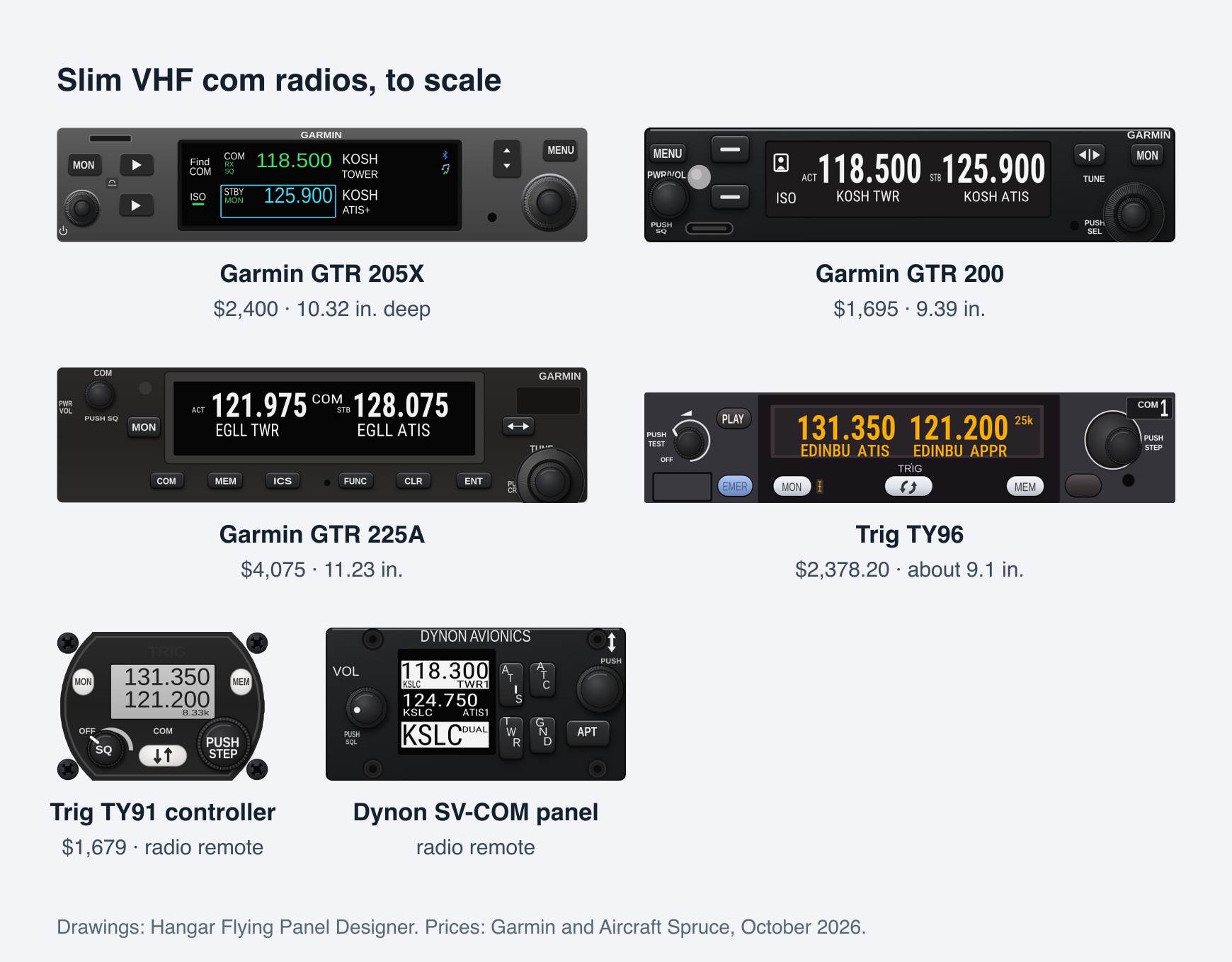
A second com radio is usually a 1.3 to 1.65 in. slimline box. Garmin's GTR 205X lists at $2,400 with 10 watts, 8.33 and 25 kHz spacing and a two-place intercom. The GTR 200 is $1,695 and Trig's TY96 $2,378.20. Trig's TY91 and Dynon's SV-COM put only a small controller in the panel and mount the radio elsewhere.
12 Oct 2026
Tips & Tools
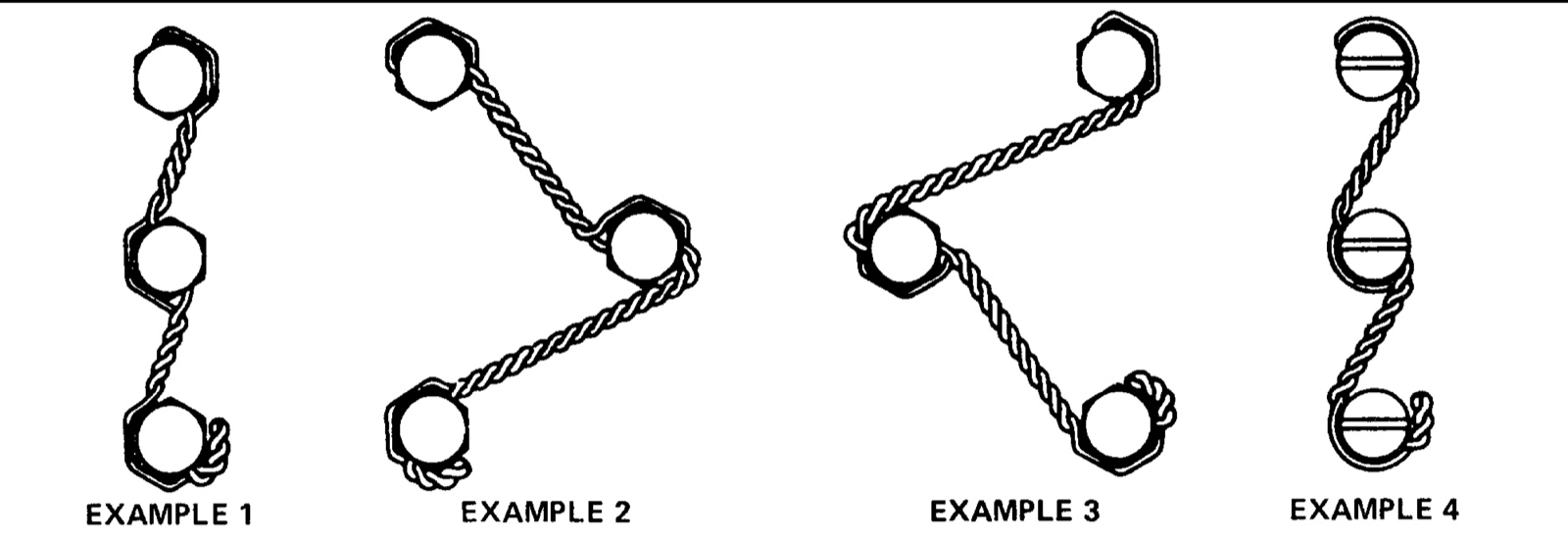
AC 43.13-1B, paragraphs 7-122 to 7-126: safety wire, and the rules common to every installation
The FAA's AC 43.13-1B gives the rules for safety wire: 0.032-inch minimum for the double-twist method on most parts, wire installed so it pulls in the tightening direction, taut but never overstressed, four to six turns left at the end, and ends bent under. A nut is never loosened or overtorqued to line up a hole.
11 Oct 2026
Avionics & Electrical
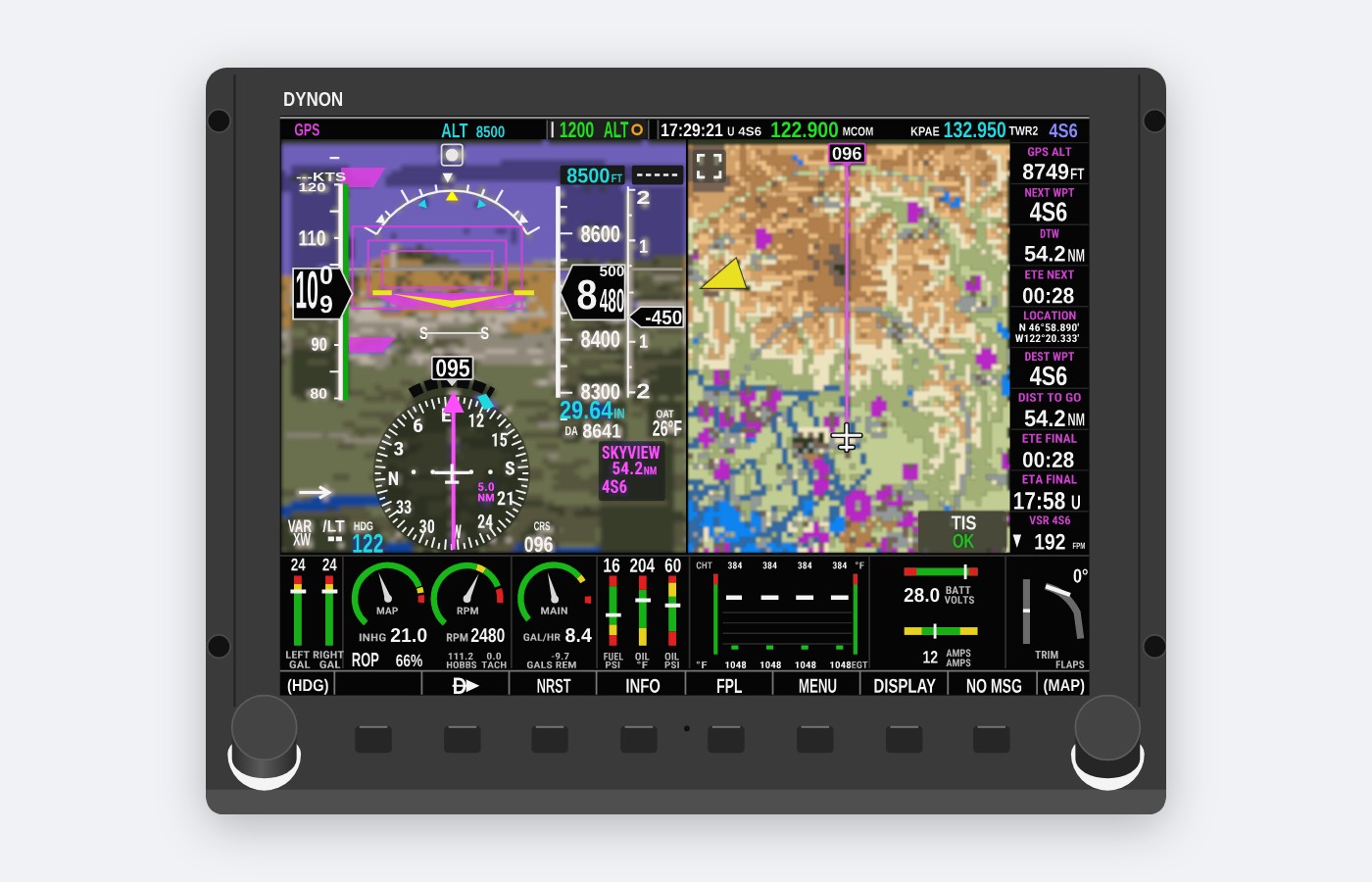
Dynon previews IFR GPS navigation for SkyView HDX; not yet certified
On July 7, 2026, Dynon said it is developing IFR GPS navigation for SkyView HDX, including coupled LPV approaches, from a module mounted behind the panel. It is planned for both the Dynon Certified and experimental lines. It is not yet certified, and Dynon has given no price or date.
11 Oct 2026
Avionics & Electrical
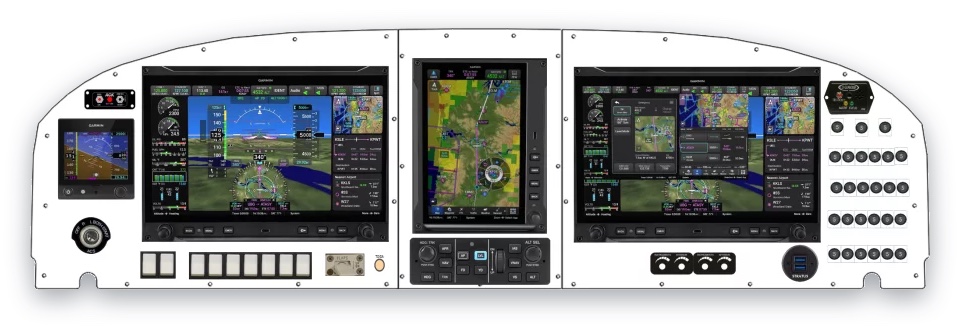
Garmin AXIS: flight displays with the IFR GPS, radios and audio panel built in
Garmin announced AXIS on July 8, 2026: a family of flight displays whose 11.6-inch models can include an IFR GPS, a NAV/COMM radio and an audio panel in the display itself. Garmin says AXIS uses the same panel cutouts and mounting points as its G3X Touch displays. The 8-inch models are expected in early 2027.
11 Oct 2026
Avionics & Electrical
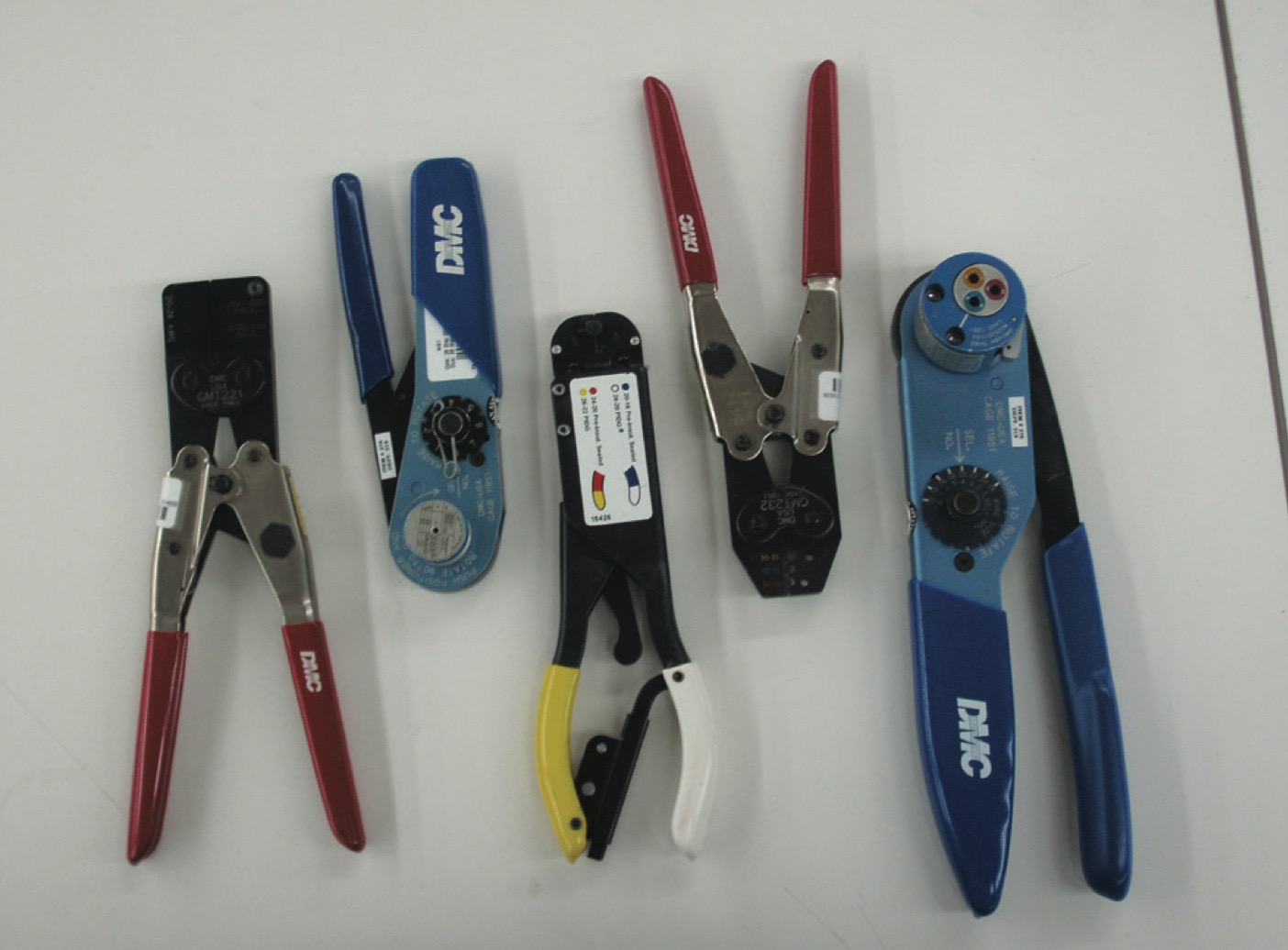
AC 43.13-1B, paragraphs 11-174 to 11-179: crimped terminals, studs and the crimp tool
The FAA's AC 43.13-1B prefers pre-insulated, crimp-type ring terminals, installed with a ratchet-type crimp tool whose crimp depth suits the wire size. No more than four terminals, or three and a bus bar, go on one stud, with the largest hole at the bottom and nothing between the tongues.
11 Oct 2026
Avionics & Electrical
AC 43.13-1B, chapter 11: the four requirements for sizing an electrical wire
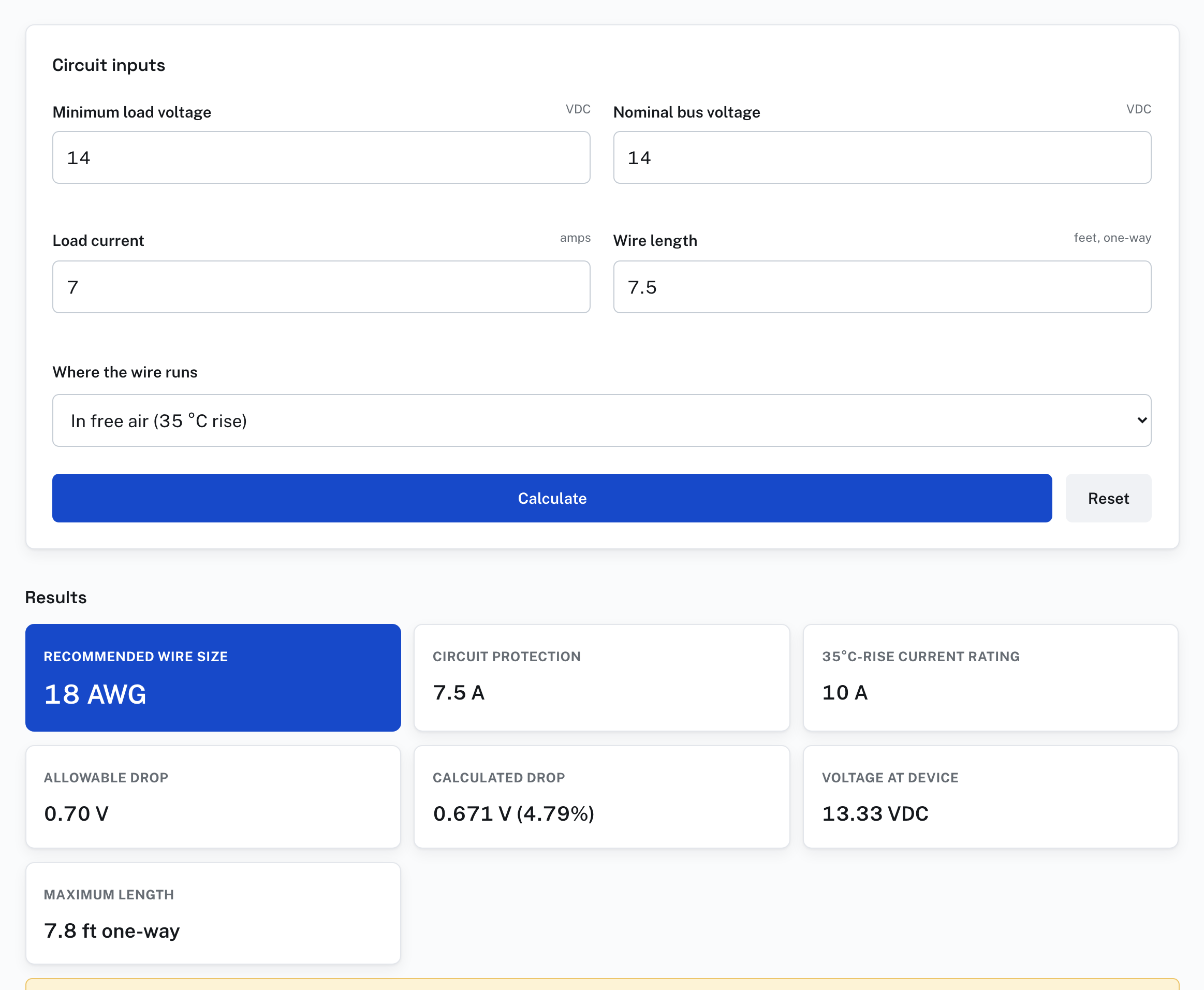
The FAA's AC 43.13-1B sets four tests for a wire: mechanical strength, voltage drop, protection by a circuit breaker or fuse, and current. On a 14-volt system the allowable drop from bus to equipment is 0.5 volt in continuous operation. Hangar Flying's wire size calculator works the sum for one circuit.
11 Oct 2026
Test & Fly
14 CFR 61.316: the aircraft a sport pilot may fly, and who else may use the rule
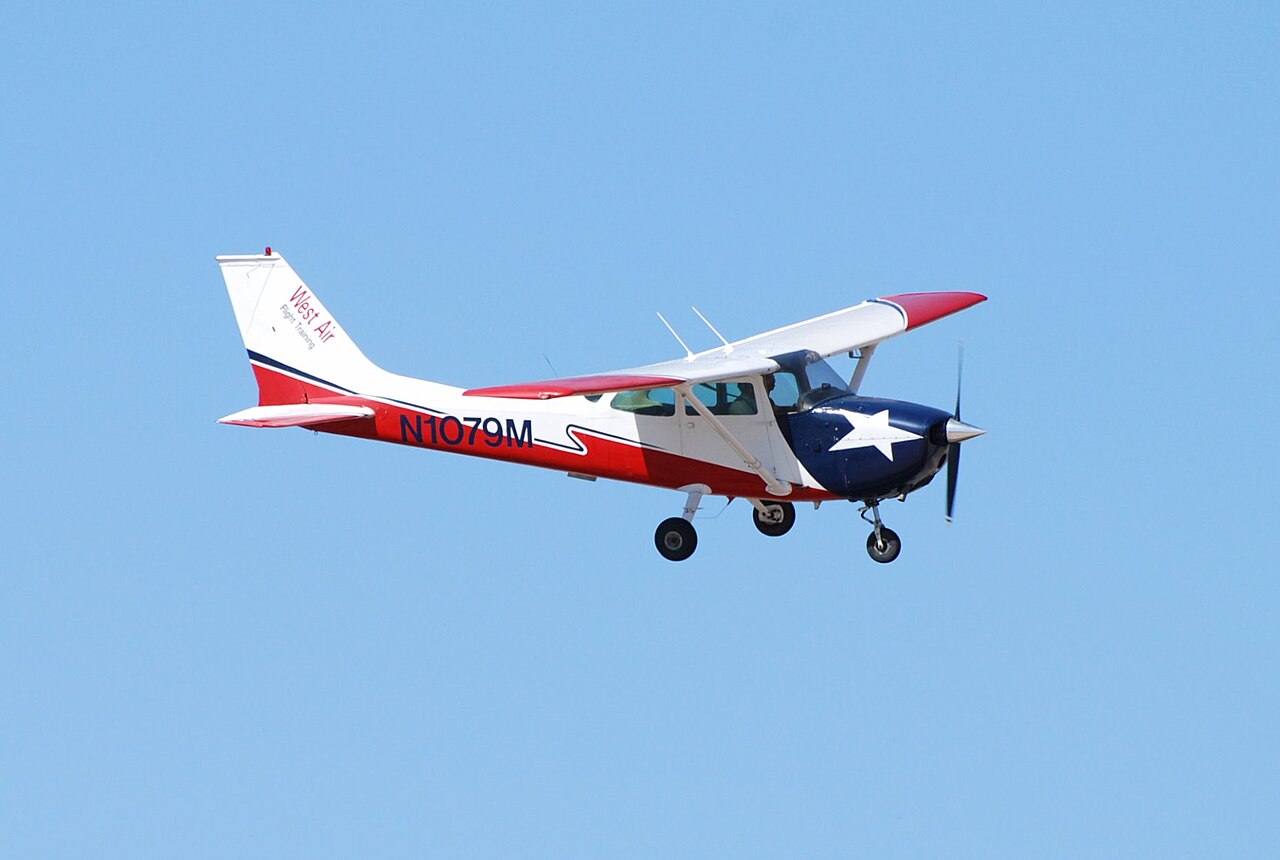
Since October 22, 2025, a sport pilot may fly an airplane with up to four seats and a flaps-up stalling speed of no more than 59 knots CAS, with no weight limit. One passenger remains the limit. A private pilot flying on a driver's license instead of a medical certificate may fly the same aircraft under the same limits.
11 Oct 2026
Directives & Bulletins
AD 2026-16-11: propeller gearbox inspection on Rotax 912 and 914 engines
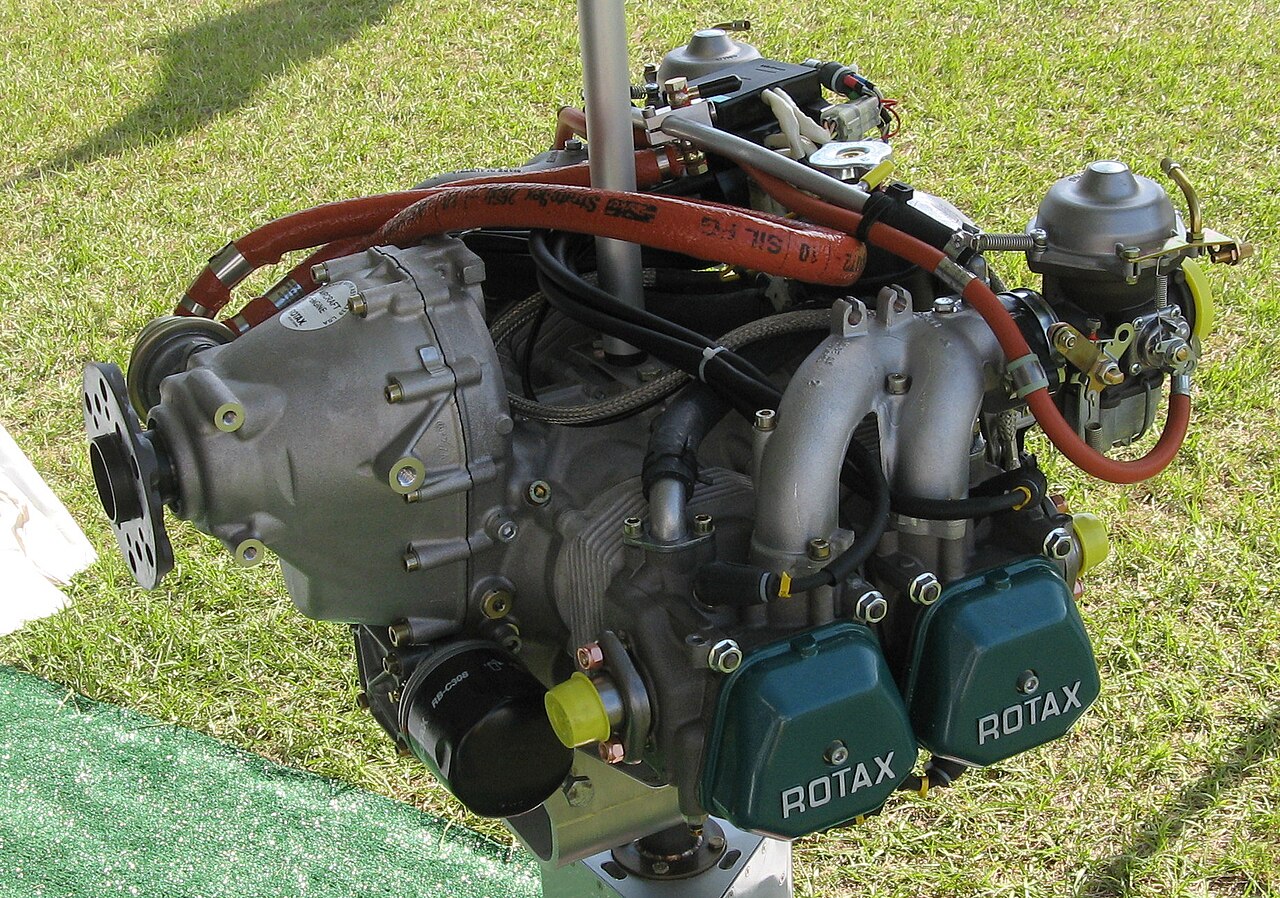
AD 2026-16-11 orders a propeller gearbox inspection on certified Rotax 912 and 914 engines after one left the factory missing an oil spray nozzle and bearing screws. The 912 iS Sport in the RV-12iS isn't named in the FAA's directive, but Rotax's own alert bulletin covers it, and Van's has posted it.
11 Oct 2026
Directives & Bulletins
AD 2026-04-11: Lycoming connecting-rod bushing inspection, and whether it applies to amateur-built aircraft
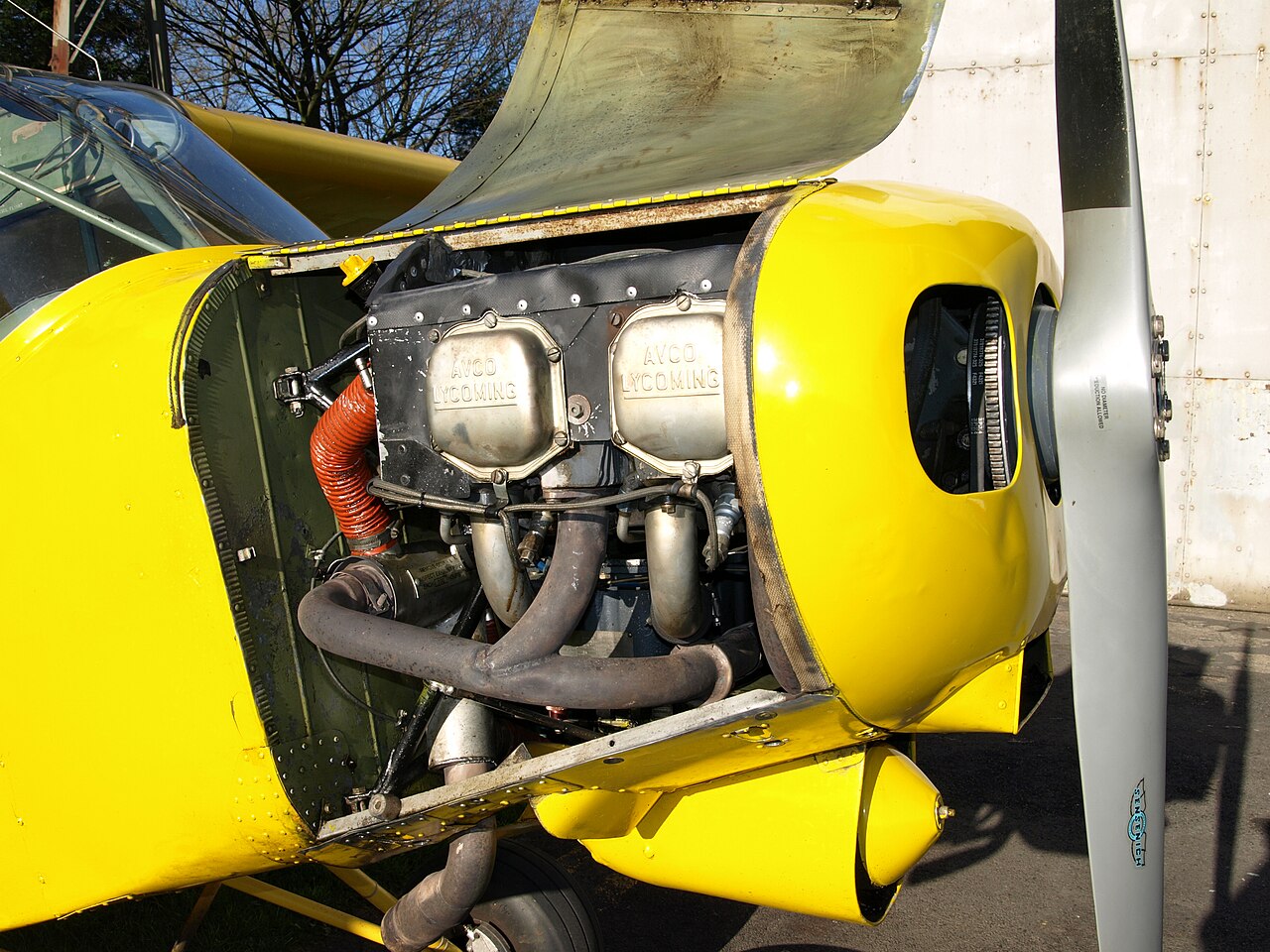
AD 2026-04-11 expands the Lycoming connecting-rod bushing directive to engines assembled through September 2021. Its wording reaches only engines in type-certificated aircraft, so it doesn't legally bind an amateur-built. The FAA cites connecting-rod failures that led to uncontained engine failures and in-flight shutdowns; the first required step is an oil-filter inspection at each oil change.
11 Oct 2026

Upgrade & Maintain
Light-sport repairmen may now do condition inspections on amateur-built aircraft
A light-sport repairman can now do the condition inspection on an amateur-built airplane, and an owner can earn that rating in a 16-hour course. But most airplanes' operating limitations don't allow it yet, and the owner has to ask the FAA to amend them.
11 Oct 2026
Design & Build
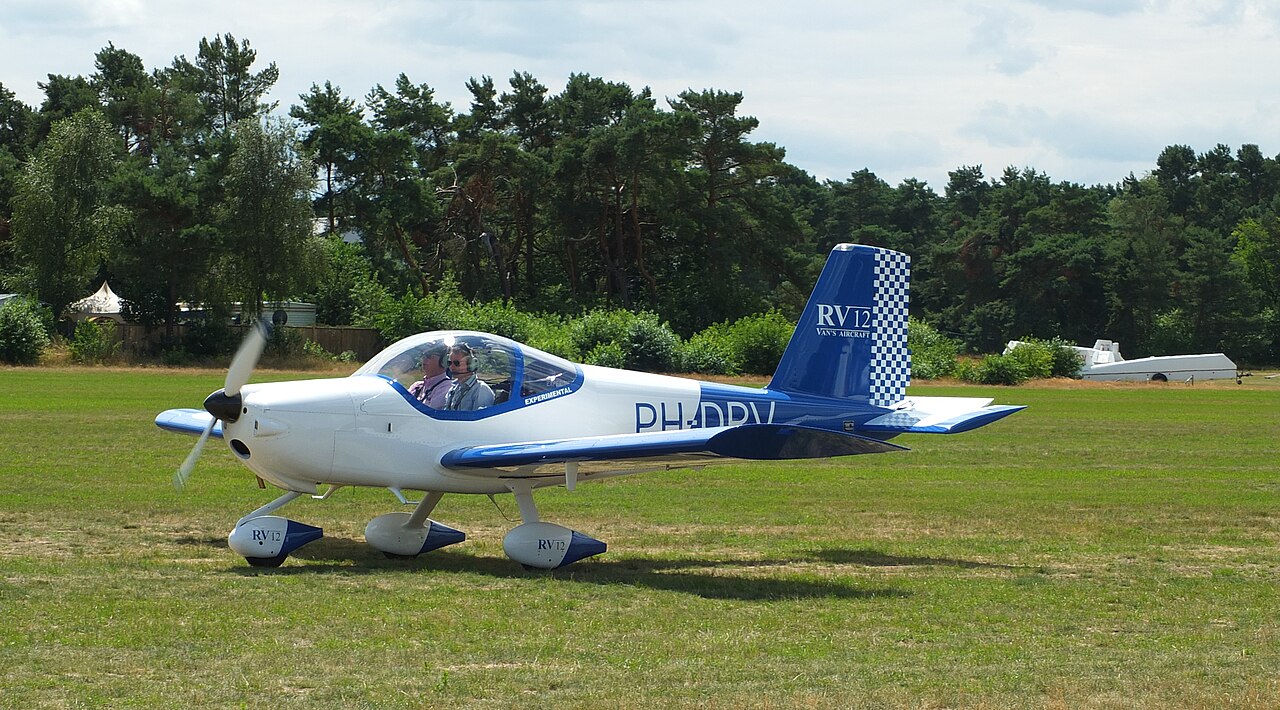
14 CFR part 22: light-sport category certification rules in effect since July 24, 2026
New light-sport category aircraft are now certificated under 14 CFR part 22, which sets no weight limit and allows airplanes with up to four seats and a stalling speed of up to 61 knots CAS. Aircraft certificated before July 24, 2026 keep their original limits, and a kit follows the standards in place when its statement of compliance was signed.
11 Oct 2026