
The second part of the MOSAIC rule took effect July 24, 2026. From that date, a new light-sport category aircraft, or a new light-sport kit, must meet the design, production and airworthiness requirements of a new regulation, 14 CFR part 22. The definition of "light-sport aircraft" in 14 CFR 1.1, with its weight limit, was removed on the same date.
Which aircraft are eligible
Under 14 CFR 22.100, an aircraft is eligible for a special airworthiness certificate in the light-sport category if it:
- has not more than four seats, for an airplane, or not more than two, for any other aircraft;
- has a maximum stalling speed, at maximum takeoff weight and the most critical center of gravity, of 61 knots CAS (VS0) for an airplane, 45 knots CAS (VS0) for a glider, or 45 knots CAS (VS1) for a weight-shift-control aircraft;
- has a maximum speed in level flight at maximum continuous power (VH) of 250 knots CAS;
- has a non-pressurized cabin, if it has a cabin;
- has never held a standard, primary, restricted, limited or provisional airworthiness certificate, or a foreign equivalent; and
- meets part 22 by means of consensus standards the FAA has accepted.
The section sets no maximum weight. The FAA's fact sheet says the rule removes "prescriptive weight limits" and allows new types of propulsion, any number of engines, new propeller types and retractable landing gear.
The stalling speed for certification (61 knots, flaps extended) is not the same figure as the limit on what a sport pilot may fly (59 knots, flaps retracted, in 14 CFR 61.316). An aircraft can be certificated in the light-sport category and still be outside sport pilot privileges.
The standards the FAA has accepted
The FAA does not issue a design or production approval for a light-sport category aircraft. The manufacturer finds compliance with consensus standards the FAA has accepted and signs a statement of compliance, FAA Form 8130-15, for each aircraft or kit.
On July 16, 2026, the FAA published a notice in the Federal Register accepting four ASTM International standards as a means of compliance with part 22: F3815-26a for airplanes, F3836-26 for gliders, F3840-26 for powered-lift, and F3841-26 for gyroplanes. Each is an "integration" standard that names the underlying standards on subjects such as structures, landing gear, propellers and engines. The notice says the FAA keeps the list of accepted standards on its Light-Sport Category Aircraft page.
The standards are copyrighted by ASTM International and are obtained from ASTM.
Aircraft certificated before July 24, 2026
An existing light-sport category aircraft does not gain the new limits. The FAA's questions and answers on certification say that the airworthiness certificate of such an aircraft remains valid only if the aircraft continues to meet the limits it was certificated under. Altering it to exceed its original weight, seating capacity or speed would, in the FAA's words, "render your airworthiness certificate ineffective."
The FAA describes one route to the new limits for such an aircraft: a new statement of compliance from the manufacturer, based on the new standards, and an application for a new special airworthiness certificate under 14 CFR 21.190. The FAA says this "may be impractical or expensive for legacy aircraft" and recommends asking the manufacturer.
For an experimental light-sport aircraft certificated before that date, the FAA says there is no regulatory prohibition on such an alteration. It advises against altering the aircraft without the manufacturer's approval, and says alterations made without it could lead to more restrictive operating limitations.
The earlier standards still apply to alterations and repairs of aircraft certificated before July 24, 2026.
Kits
For a kit, the date that matters is the date on the manufacturer's statement of compliance. If the statement was signed before July 24, 2026, the standards in place on that date apply, even if the aircraft is finished later. The builder applies for an experimental airworthiness certificate under 14 CFR 21.191(k).
A kit with a statement of compliance signed after July 24, 2026 must meet part 22 and the newly accepted standards.
Other points from the FAA's documents
- An aircraft that has held a standard airworthiness certificate cannot be recertificated in the light-sport category.
- An aircraft manufactured outside the United States must come from a country with a bilateral airworthiness agreement with the United States that covers airplanes, and must be eligible for an airworthiness certificate or similar authorization in that country.
- From July 24, 2026, a manufacturer's staff who determine compliance must be trained to do so (14 CFR 22.190), and the person who signs the statement of compliance must be trained and certified for it (14 CFR 21.190(d)(1)).
- Compliance with airworthiness directives is mandatory. Compliance with a manufacturer's safety directives is recommended.
What isn't known yet
The July 16 notice covers airplanes, gliders, powered-lift and gyroplanes. Hangar Debrief did not find a notice accepting part 22 standards for other classes, such as helicopters or weight-shift-control aircraft, and has not read the ASTM standards themselves. The FAA's MOSAIC page lists an advisory circular on continued airworthiness of light-sport aircraft, AC 90-121, as "coming soon."
This article reports what the FAA's documents say. It is not an FAA determination.
Sources
All read on October 11, 2026. The regulation text is the eCFR version in effect September 1, 2026.
- 14 CFR 22.100, eligibility for a special airworthiness certificate in the light-sport category.
- FAA, MOSAIC Rule Frequently Asked Questions: Manufacture and Certification of Light-Sport Category Aircraft.
- FAA, Accepted Consensus Standards for Light-Sport Category Aircraft: Airplane, Glider, Powered Lift, and Gyroplane, Federal Register, July 16, 2026.
- FAA, MOSAIC Fact Sheet.
- FAA, Modernization of Special Airworthiness Certification (MOSAIC), last updated April 2, 2026.
- The MOSAIC final rule, Federal Register, July 24, 2025.
- Hangar Debrief, 14 CFR 61.316: the aircraft a sport pilot may fly.
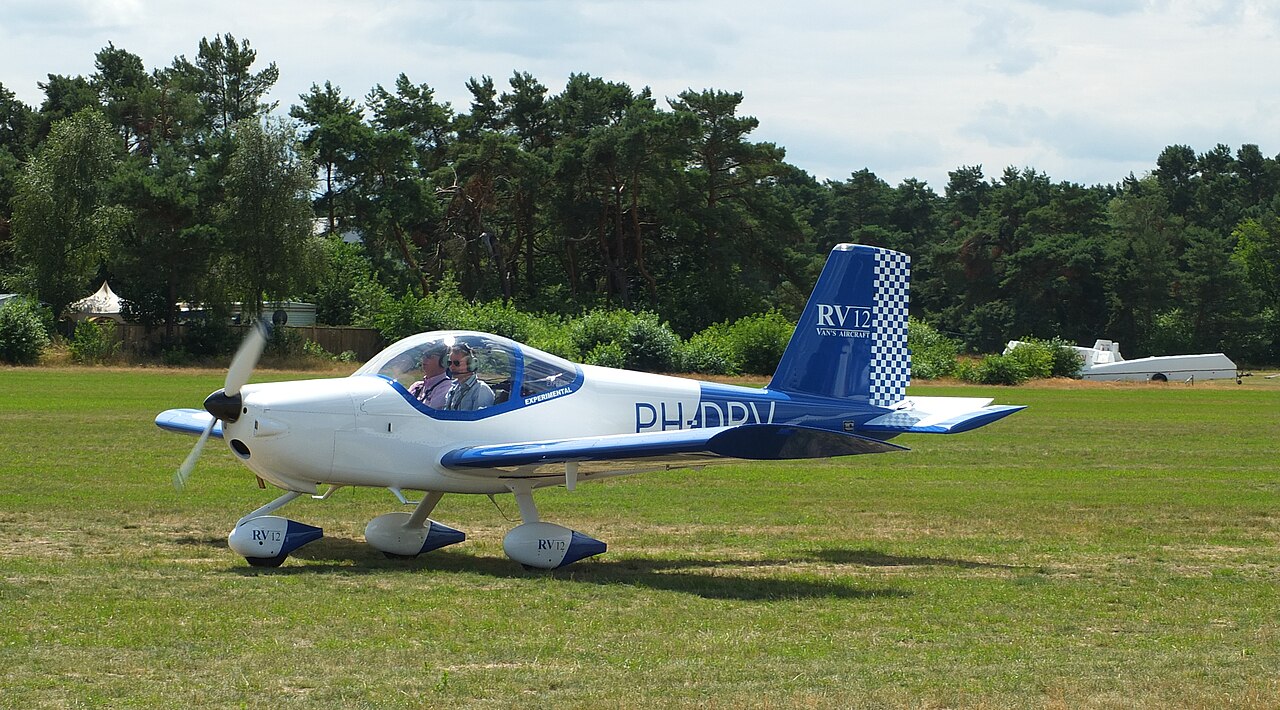
Photo: Keiheuvel Van's RV-12 PH-DRV 03 by Ad Meskens, used under the Creative Commons Attribution-ShareAlike 4.0 license, resized.