
The repairman certificate issued to the builder of an amateur-built aircraft doesn't transfer when the aircraft is sold. It covers one aircraft and one person. A later owner has to have the annual condition inspection done by someone the aircraft's operating limitations name.
Since October 22, 2025, FAA rules allow a light-sport repairman to do that inspection, and an owner can qualify as one.
What the FAA changed
The MOSAIC rule is best known for its changes to light-sport aircraft and sport pilot privileges. It also changed who may inspect an amateur-built aircraft. The FAA's own summary says the rule expands what a light-sport repairman can do to include, in its words, "conduct the condition inspection on experimental amateur-built aircraft." That part took effect October 22, 2025.
A light-sport repairman certificate carries one of two ratings.
The inspection rating is intended for owners. It lets its holder do the annual condition inspection on an experimental airplane he or she owns, and nobody else's. The course is 16 hours. The FAA describes it as designed for an owner with no background in aviation maintenance or inspection.
The maintenance rating takes more training, typically 80 to 120 hours. It also covers condition inspections, in the category and class of aircraft the holder trained on, and it isn't limited to airplanes the holder owns.
Neither one is the certificate a builder gets. That one still goes only to the primary builder and still covers only the airplane named on it.
The aircraft's operating limitations must allow it
The rule changed, but the operating limitations already issued to each aircraft did not change with it.
The FAA says so in its MOSAIC questions and answers. If an airworthiness certificate was issued before the current revision of the FAA's certification order (Revision L of Order 8130.2), the airplane's limitations "typically do not include operating limitation language that allows an LSR to perform the condition inspection on the aircraft."
The first step for an owner is to read the aircraft's operating limitations and find the paragraph on who may do the condition inspection. If it doesn't mention a light-sport repairman, the new privilege does not yet apply to that aircraft.
The remedy is to ask the FAA to amend them. The registered owner, or someone acting for the owner, can do it either of two ways:
- Call the local Flight Standards District Office and ask to have the operating limitations amended.
- File the request through the FAA's online airworthiness certification portal at awc.faa.gov.
The amendment brings the limitations in line with the current order, which does name light-sport repairmen. Until that's done, the inspection has to be signed off by someone the limitations name today.
For an owner who wants to do the inspections personally, the sequence is: get the limitations amended, take the 16-hour course, apply for the certificate. The FAA keeps a list of the course providers it has accepted on its repairmen page.
What isn't known yet
How long an amendment takes is not known. The FAA doesn't publish a figure, and it will likely vary from one district office to the next. Hangar Debrief would like to hear from owners who have been through it.
Sources
All read on October 11, 2026.
- FAA, Modernization of Special Airworthiness Certification (MOSAIC), last updated April 2, 2026.
- FAA, MOSAIC Rule Frequently Asked Questions: Maintenance of LSA.
- FAA, Repairmen, last updated October 1, 2026. The light-sport certificate is under 14 CFR § 65.107, the builder's under § 65.104.
- The MOSAIC final rule, Federal Register, July 24, 2025.
- FAA Advisory Circular 65-32, Certification of Repairmen (Light-Sport), and FAA Order 8130.2, Airworthiness Certification of Aircraft, both on the FAA's Dynamic Regulatory System.
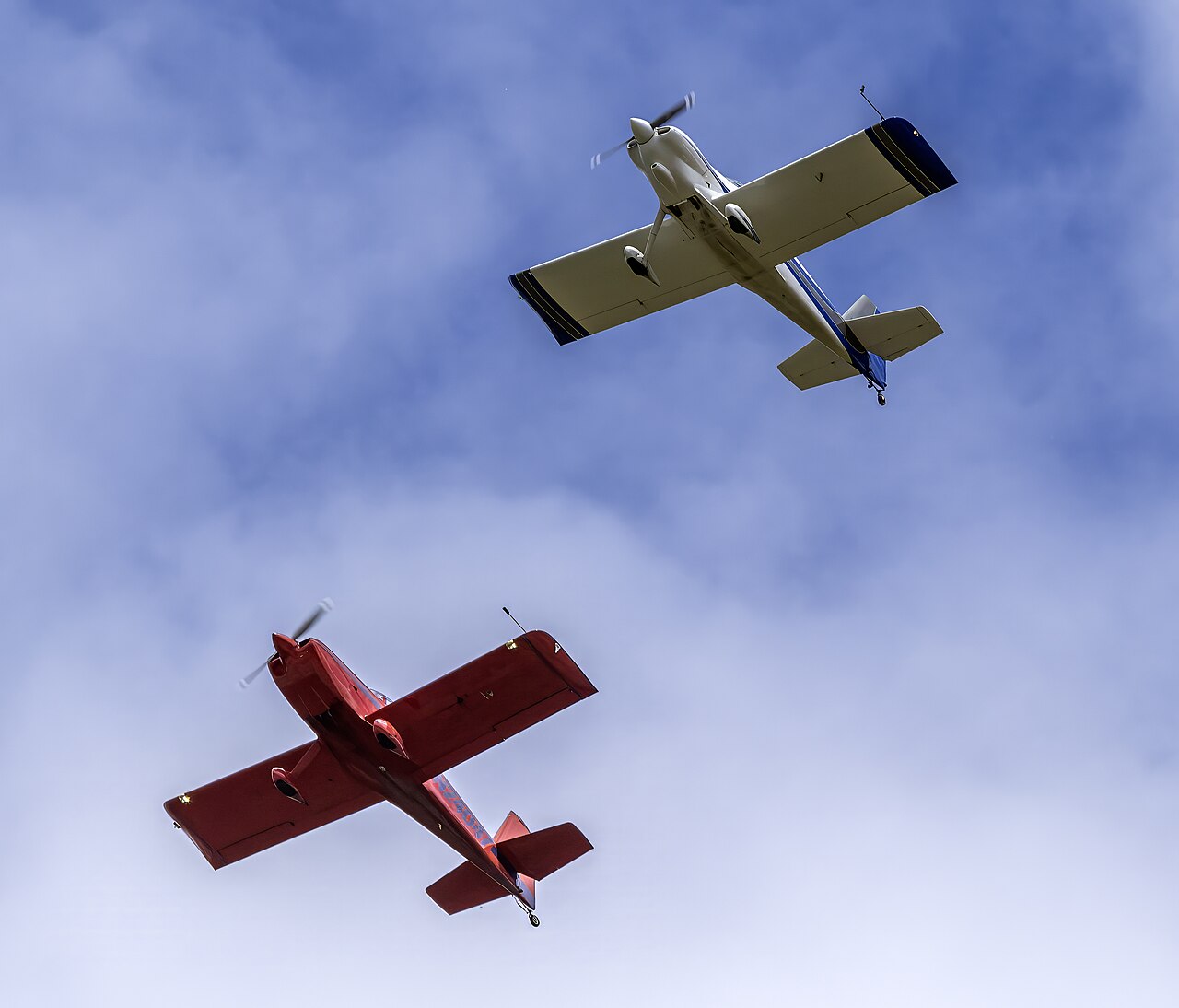
Photo: Van's RV-8 N24047 and Van's RV-4 N430BZ by Acroterion, used under the Creative Commons Attribution-ShareAlike 4.0 license, resized.