
An engine that runs rough for the first minute after a cold start and then smooths out is easy to shrug off. The National Transportation Safety Board's newest safety alert, SA-109, issued Oct. 29, says that can be a sticking exhaust valve, and that the safest time to deal with it is on the ground, before takeoff.
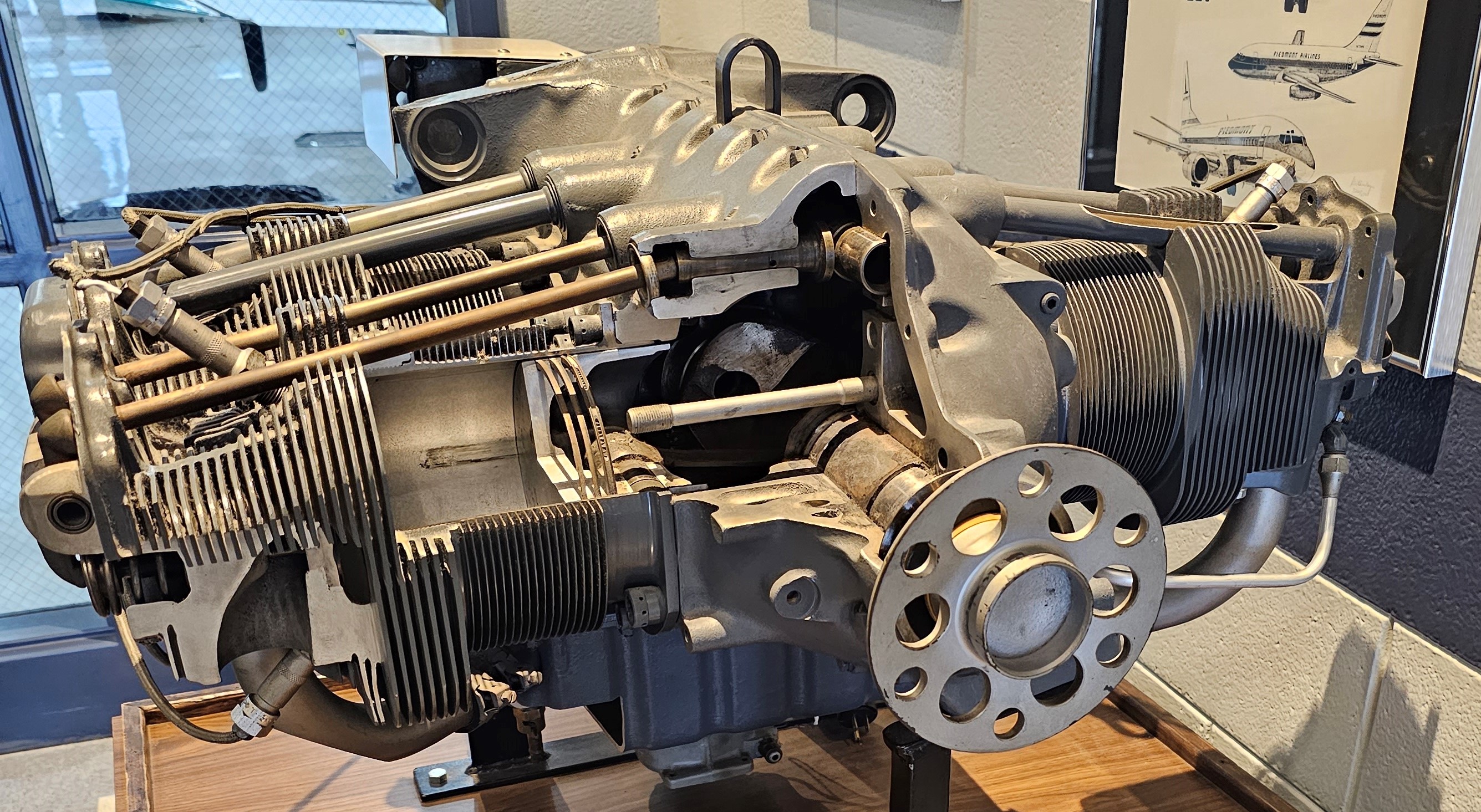
What the NTSB found
From 2015 to 2025 the NTSB investigated 42 accidents in which a stuck valve led to a loss of engine power. Five people died and 12 were seriously injured.
A valve sticks when deposits build up on its stem or in its guide. The alert lists what helps them form: hot spots under the cowling, infrequent flying, sudden cooling, a wrong fuel-air mixture, high outside temperatures, slow flight with less cooling air, and high-lead fuel. Depending on where the valve sticks, the result is severe vibration and partial power, and a pushrod can bend. The NTSB says piston helicopters and flight school airplanes see these conditions most, and that pilots often misread the symptoms in flight, particularly on takeoff and landing.
Three of its examples:
- Zenith CH 750 STOL, near Paducah, Ky., June 29, 2019 (CEN19LA199). The engine lost power in a descent; the airplane landed hard and nosed over, and the pilot was seriously injured. The engine's recorded data showed the cylinders' EGTs changing unevenly. The No. 3 exhaust valve was stuck open.
- Cessna 172F, Show Low, Ariz., May 25, 2022 (WPR22FA188). The airplane crashed on a second attempt to take off, and both people aboard died. The No. 4 exhaust valve was stuck by a buildup on its stem that looked like unburned fuel. The NTSB says an inspection before the second takeoff would likely have prevented the accident.
- Piper PA-32, May 8, 2024 (ERA24LA211). Partial power after takeoff and a forced landing. Five cylinders had carbon on the exhaust guides; there were also signs of an overly rich mixture and an oil cooler bypass valve not seated. The pilot reported three earlier power losses, and the maintenance records showed no compliance with the engine maker's service bulletin on exhaust valve and guide inspection.
The signs
The early signs are hard to recognize, the alert says: a rough-running engine, particularly when cold, and in one cylinder an unusually low EGT or a CHT out of line with the rest. An engine monitor that shows every cylinder is the tool that catches it, and the NTSB asks mechanics to use its data when they troubleshoot a rough engine. A rough start followed by a takeoff is the pattern the Show Low accident warns against.
What the alert asks of owners and mechanics
Owners and pilots:
- Change oil and air filters at the engine maker's intervals.
- Lean the mixture as the pilot's operating handbook or the engine operator's manual says.
- Know the signs above, and treat them as a reason to stay on the ground.
Mechanics:
- Explain to owners why the oil change intervals matter.
- Use engine-monitor data to find the cylinder.
- Keep the cooling baffles and baffle seals in good condition, so no cylinder runs hot.
- Know which airplanes and kinds of flying are most at risk.
- Follow the engine maker's instructions to diagnose, measure or free a stuck valve.
The makers' documents the alert names
The NTSB links four documents. Each is the maker's own, so Hangar Debrief gives the reference, date and link:
- Lycoming Mandatory Service Bulletin No. 388C, Procedure to Determine Exhaust Valve and Guide Condition, Nov. 22, 2004. Its time of compliance is every 400 hours (300 for helicopter engines), or sooner if valve sticking is suspected, until the exhaust valve guides are replaced with guides of improved material (PDF).
- Lycoming Service Instruction No. 1425A, Suggested Maintenance Procedures to Reduce the Possibility of Valve Sticking, Jan. 19, 1988, for all Lycoming piston engines (page).
- Lycoming Service Letter No. L197A, Recommendations to Avoid Valve Sticking, Jan. 19, 1988, addressed to all owners and operators of Lycoming piston engines (PDF).
- Continental Service Bulletin M77-3, on preventing valve sticking, linked by the NTSB from its docket (PDF).
An owner of a Lycoming-powered airplane, certificated or amateur-built, can look in the engine logbook for the last SB 388 check. It is the record the PA-32's logbooks didn't have. The alert doesn't name Rotax, UL Power or other engines; their owners have their own maker's maintenance manual to go by.
Sources: NTSB Safety Alert SA-109, Sticking Exhaust Valves: Identify and Treat Before Engine Failure, Oct. 29, 2026; Lycoming Mandatory Service Bulletin No. 388C, Nov. 22, 2004 (page 1 read); Lycoming Service Instruction No. 1425A, Jan. 19, 1988; Lycoming Service Letter No. L197A, Jan. 19, 1988; all read Nov. 4, 2026. AVweb's report of Nov. 4 was the pointer.
Photo: 0-320-h2ad by KOMRADE DIMITRI, CC BY-SA 4.0, via Wikimedia Commons.