
Hangar Debrief
An email newsletter for builders, pilots and maintainers of experimental, light-sport and general aviation aircraft.
Past issuesSponsor Hangar Debrief
4 articles tagged Electrical
Avionics & Electrical
AC 43.13-1B, paragraphs 11-115 to 11-126: routing, clamping and protecting wire bundles
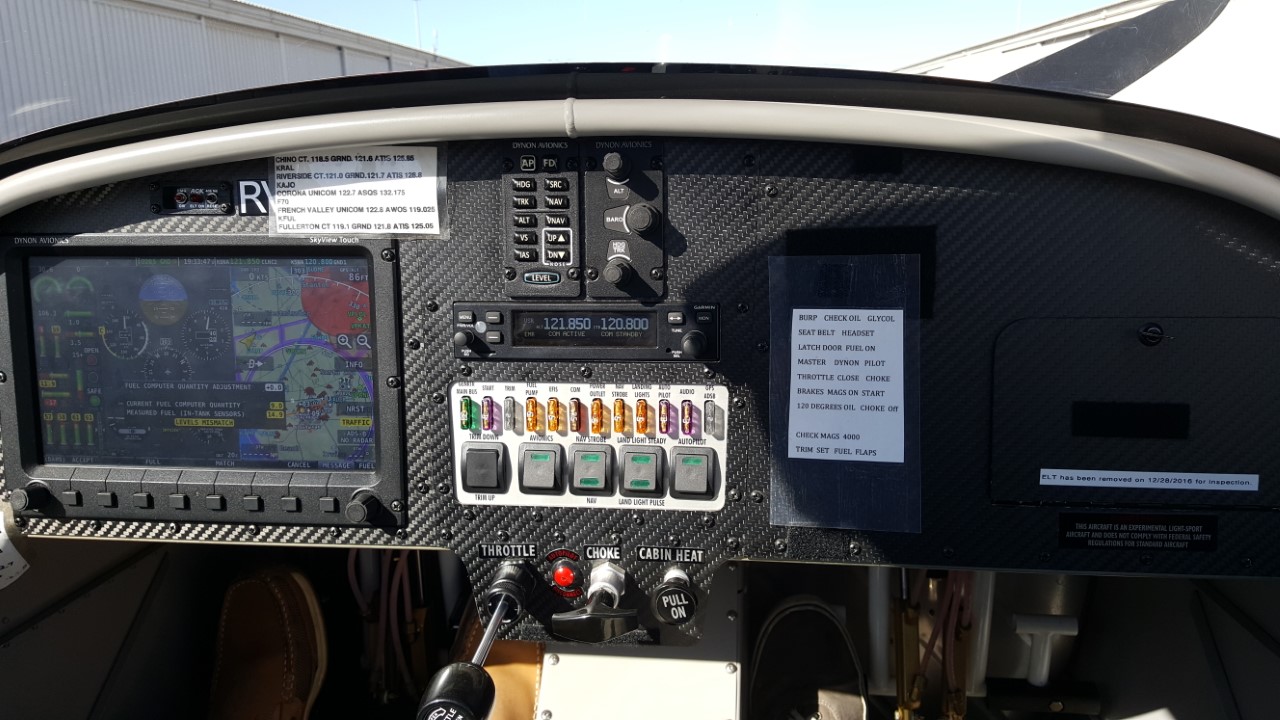
The FAA's AC 43.13-1B gives the figures for routing aircraft wire: bend radius at least 10 times the largest wire's diameter, no more than 1/2 inch of sag between supports, 3/8 inch of clearance at grommets, 1/2 inch from movable controls, and wire routed above fuel, oil and hydraulic lines, 6 inches away where possible and never closer than 2 inches unless clamped or connected to it.
26 Oct 2026
Avionics & Electrical
The electrical load of a glass IFR panel, from the installation manuals
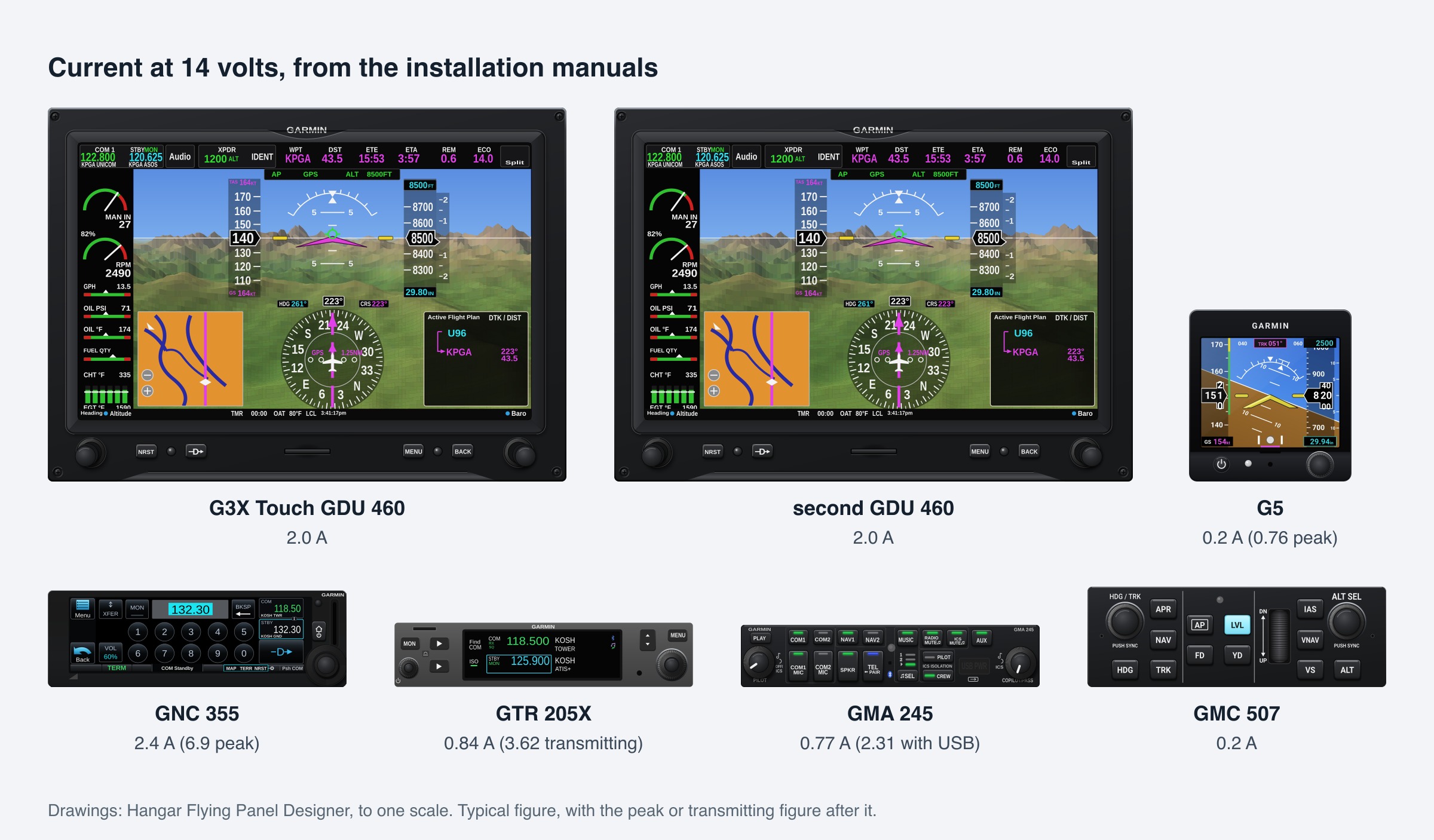
Added up from the manufacturers' installation manuals, a two-display Garmin G3X Touch panel with a G5, GNC 355, GTR 205, GMA 245 and GMC 507 draws about 8.4 amps at 14 volts in cruise, before lights, pitot heat and the fuel pump. Radios jump when transmitting: a GTR 205 goes from 0.84 A to 3.62 A. 14 CFR 91.205 asks for a generator or alternator "of adequate capacity" for IFR.
16 Oct 2026
Avionics & Electrical
AC 43.13-1B, paragraphs 11-174 to 11-179: crimped terminals, studs and the crimp tool
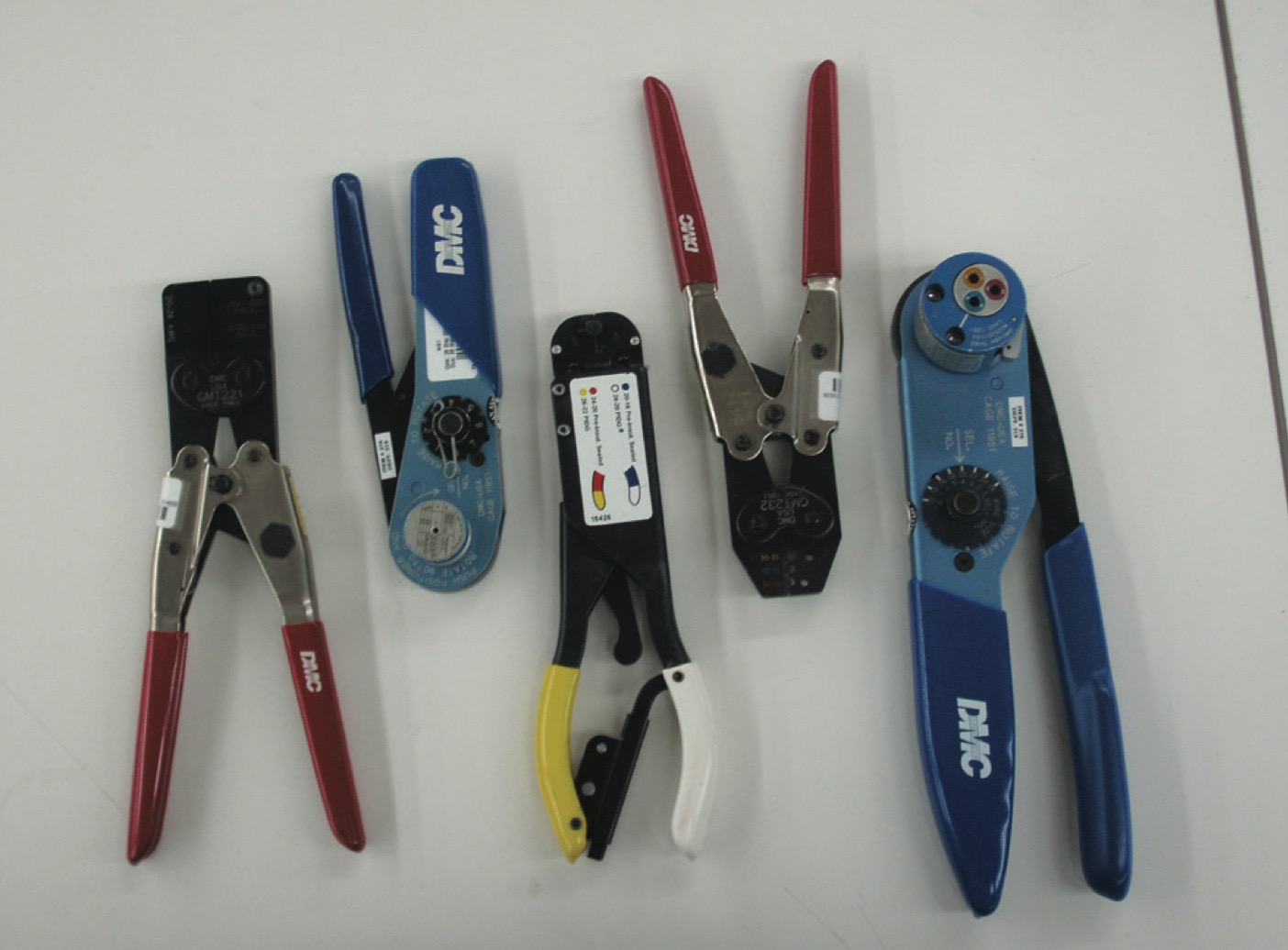
The FAA's AC 43.13-1B prefers pre-insulated, crimp-type ring terminals, installed with a ratchet-type crimp tool whose crimp depth suits the wire size. No more than four terminals, or three and a bus bar, go on one stud, with the largest hole at the bottom and nothing between the tongues.
11 Oct 2026
Avionics & Electrical
AC 43.13-1B, chapter 11: the four requirements for sizing an electrical wire
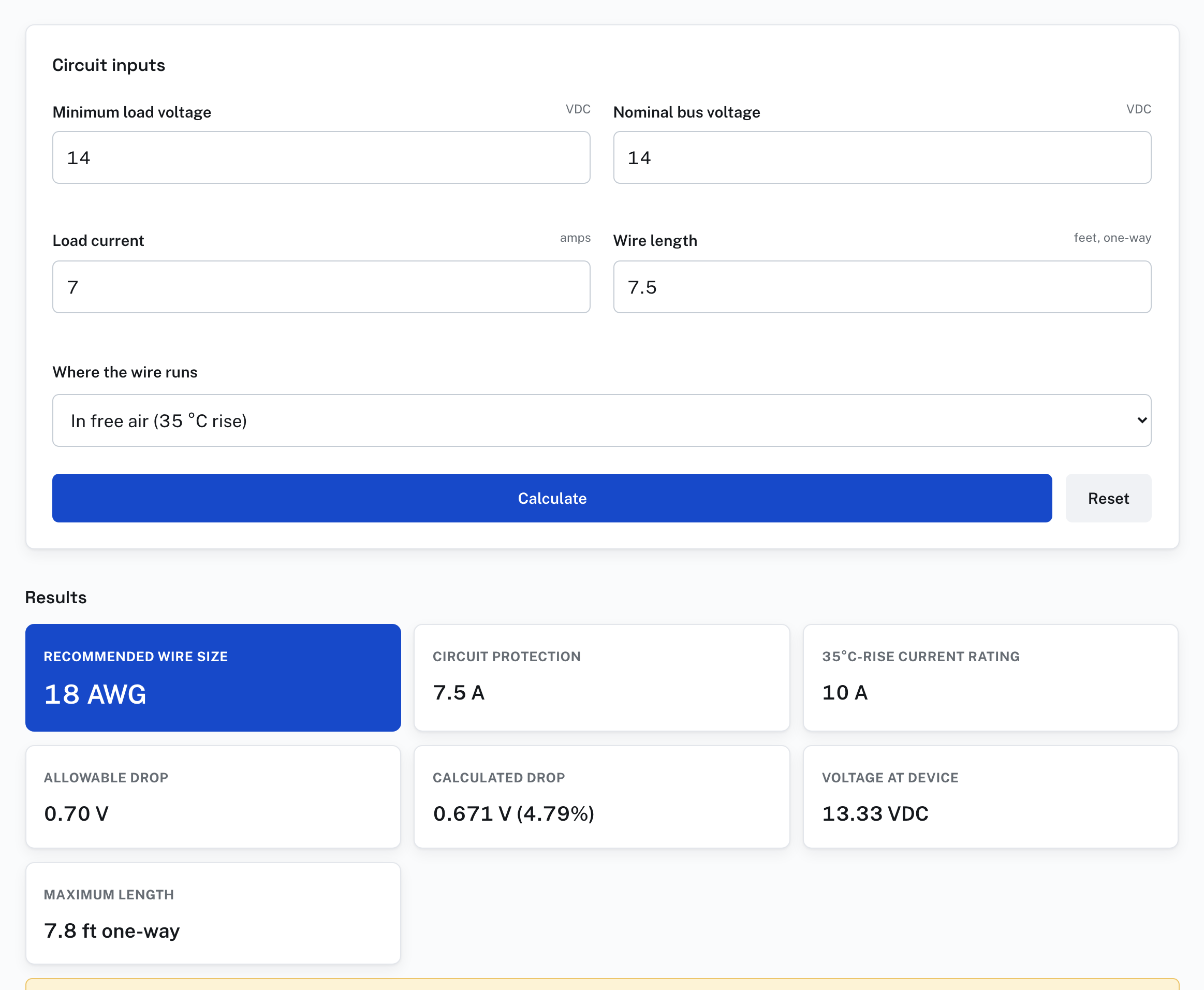
The FAA's AC 43.13-1B sets four tests for a wire: mechanical strength, voltage drop, protection by a circuit breaker or fuse, and current. On a 14-volt system the allowable drop from bus to equipment is 0.5 volt in continuous operation. Hangar Flying's wire size calculator works the sum for one circuit.
11 Oct 2026