
Hangar Debrief
An email newsletter for builders, pilots and maintainers of experimental, light-sport and general aviation aircraft.
Past issuesSponsor Hangar Debrief
10 articles tagged Tools
Tips & Tools
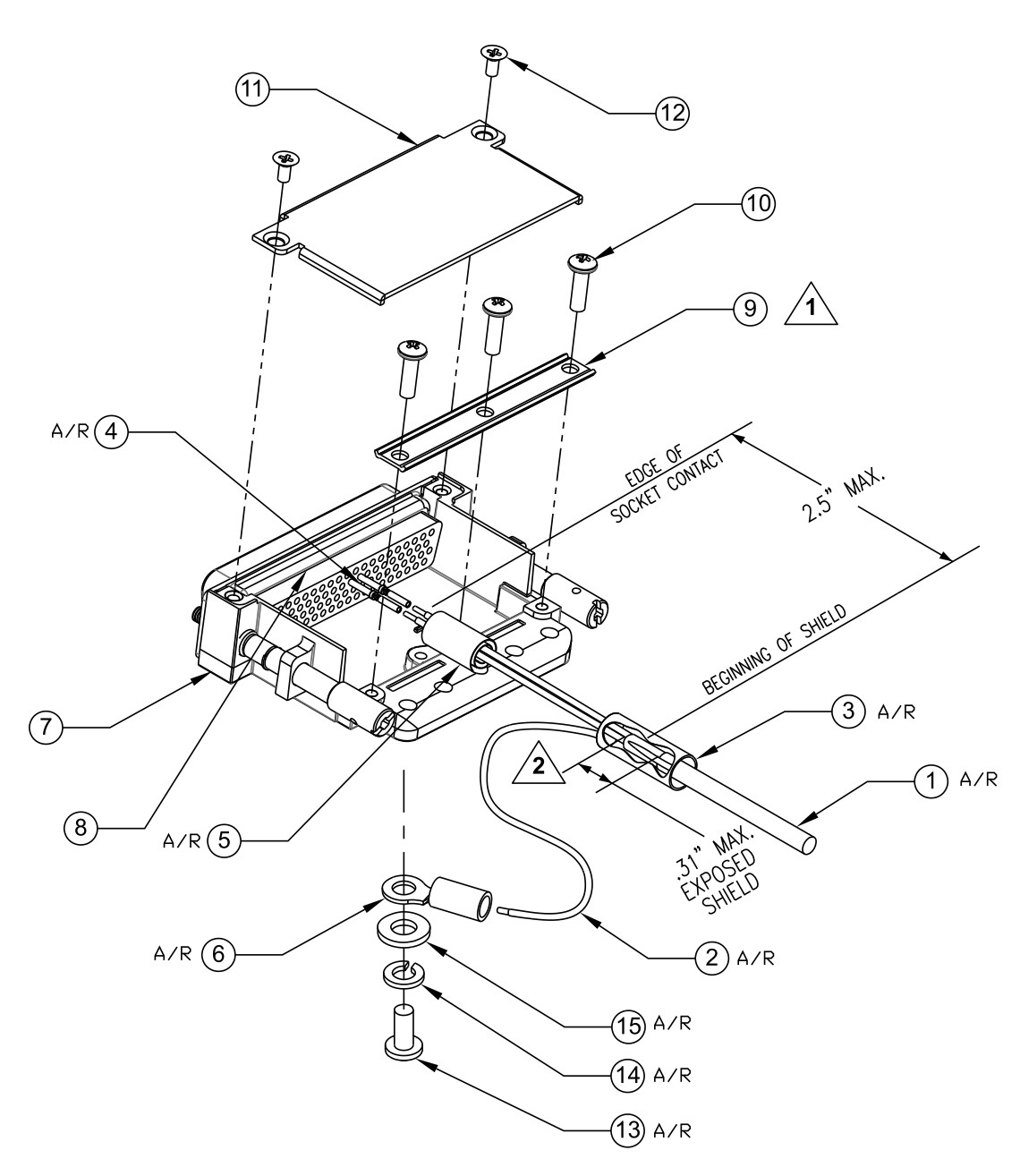
Ending a cable shield at a Garmin D-sub backshell: the window, flat braid and ring terminal the G3X manual calls for
Garmin's G3X manual ends each cable shield on a flat braid that runs to a ring terminal on the backshell's shield block. It gives the window and float lengths for each shell size, prefers solder sleeves, limits each braid to 4 inches and each tapped hole to two ring terminals, and calls for flat braid so the conductor can be inspected. Jackscrews take 6 to 8 inch-pounds.
28 Nov 2026
Tips & Tools
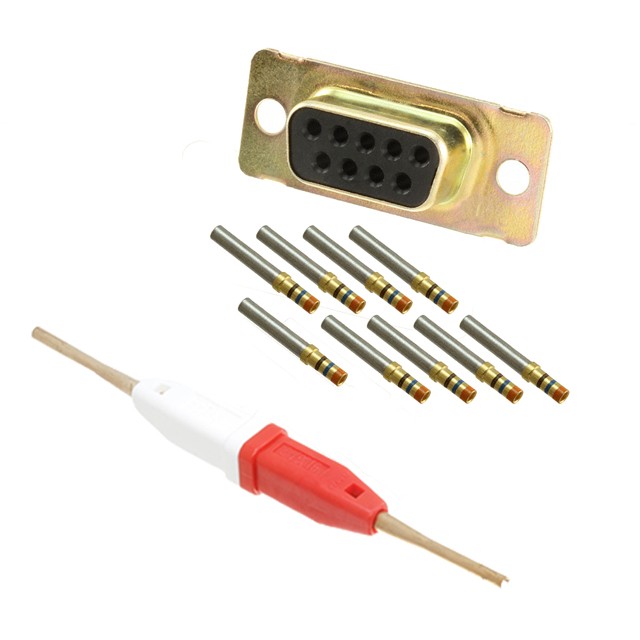
Crimping D-sub pins for an avionics harness: the contacts and tools Garmin's and Dynon's installation manuals name
Garmin's G3X manual says harness contacts "must be crimped" and lists two contact sizes, each with its own positioner in an M22520/2-01 crimp tool. Dynon's SkyView guide names the same size 20 contacts and a four-way indent crimper. A builder checks each crimp through the contact's inspection hole. Stein Air lists a four-way indent crimper at $38 and the Daniels tool at $725.
22 Nov 2026
Tips & Tools
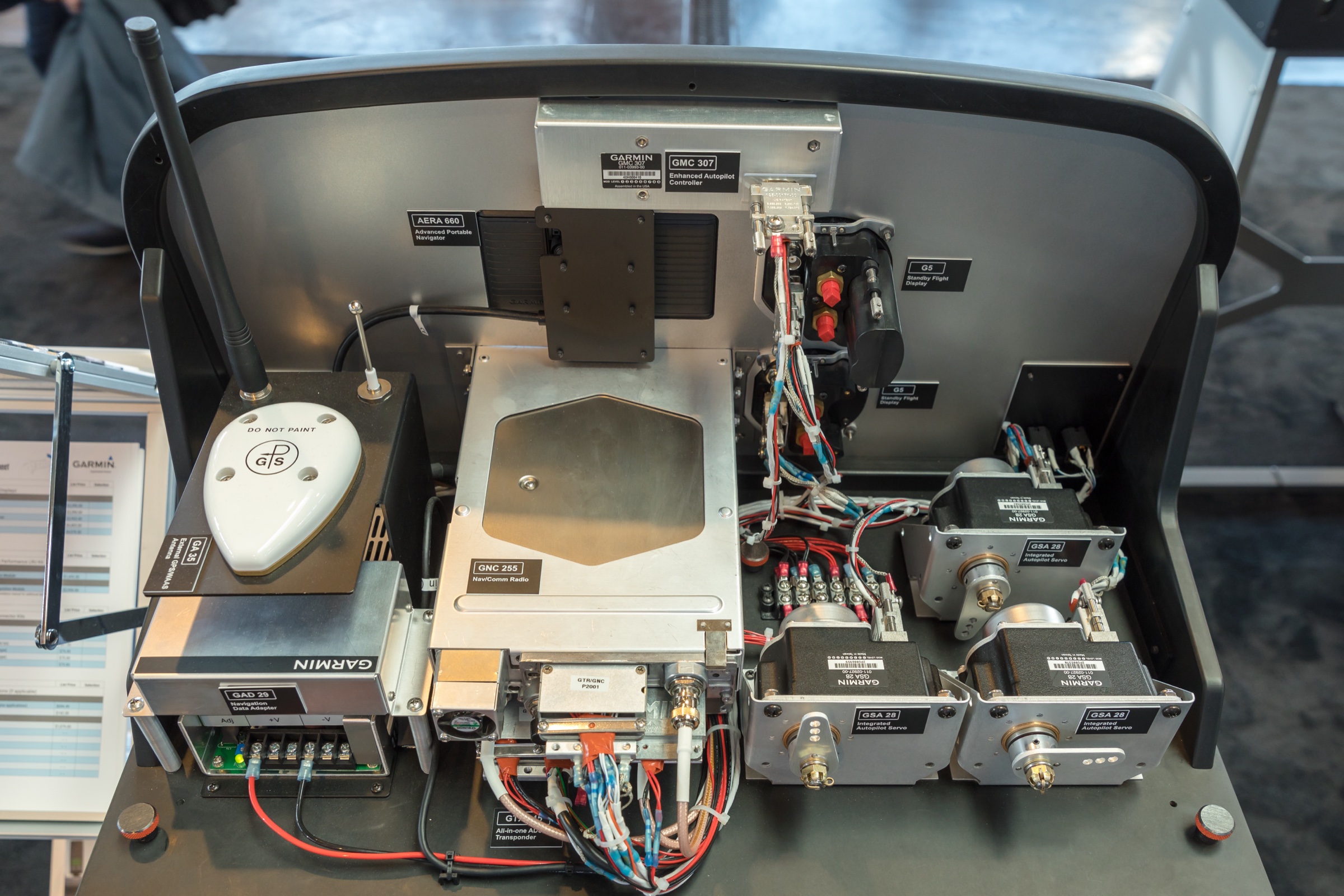
Grounding a panel to one ground block, and what Dynon's installation guide asks of the grounds
Dynon's SkyView installation guide asks that the displays, the engine monitor, every engine sensor and the electrical system share one ground, with "virtually no measurable voltage" between them. Builders commonly bring the ground wires to a single brass block of quarter-inch tabs on the firewall; Stein Air sells 24- and 48-tab blocks for $85 and $95.
11 Nov 2026

Tips & Tools
Flight Window: a Hangar Flying tool that compares seven days of dates for a round trip
Flight Window, a tool added to Hangar Flying on Nov. 1, takes a round trip and rates every departure date in the forecast against the others, leg by leg and through the stay. It doesn't check NOTAMs, winds aloft or smoke, its times and fuel assume no wind, and it isn't a briefing.
2 Nov 2026
Tips & Tools
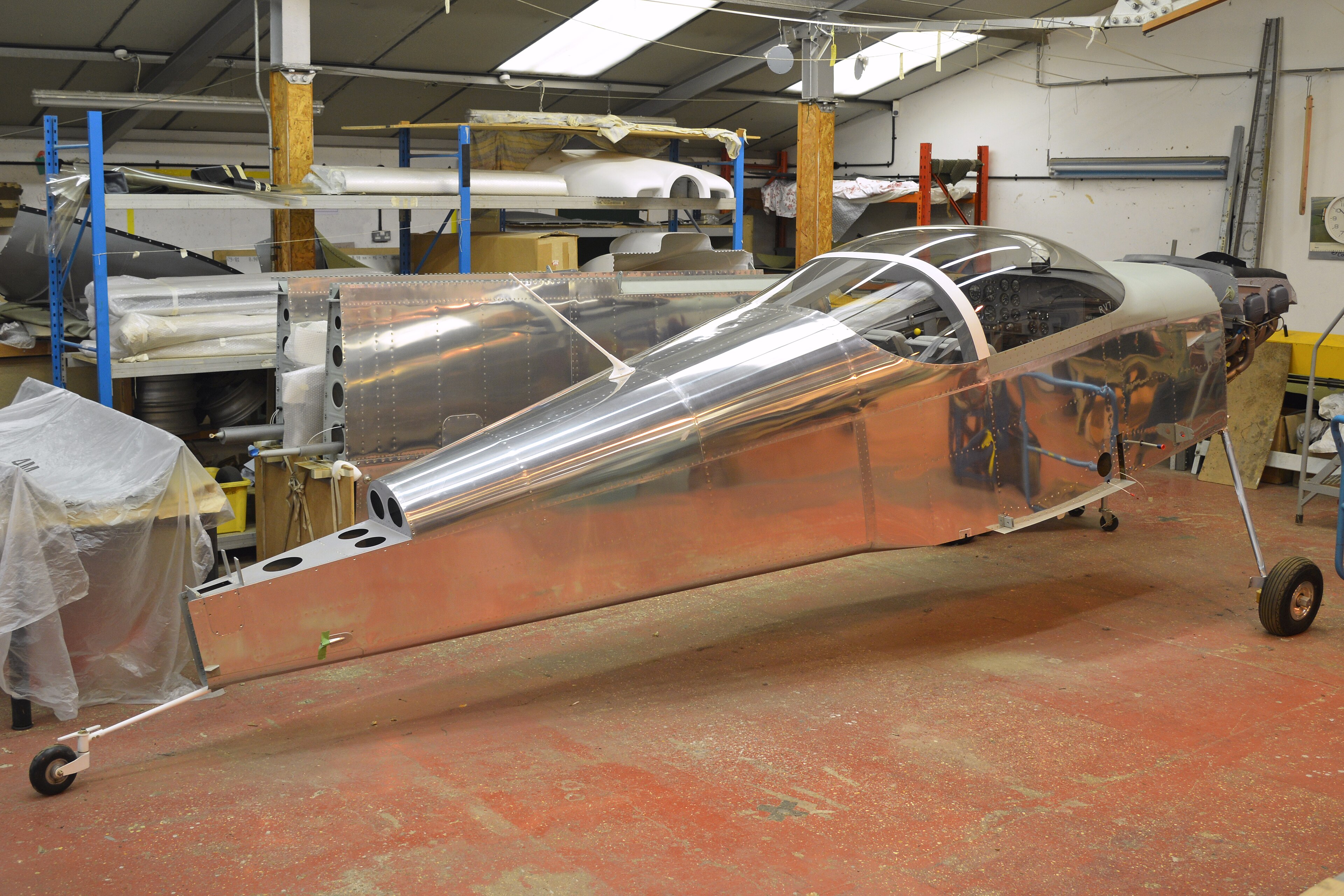
Dimpling aluminum skins: setting up a C-frame, a DRDT-2, a rivet squeezer and close-quarter dies
Cleaveland Tool's instructions set a C-frame's male die 1/16 inch above the table and call for two or three light blows, not one hard one. A squeezer is set with the dies touching and about an inch between the handles. The lever-driven DRDT-2 reaches 22 inches in, up to 0.040-inch aluminum. Close-quarter dies are for holes nothing else reaches.
28 Oct 2026
Design & Build
AC 43.13-1B, paragraph 4-57: rivet identification, edge distance, spacing and blind rivets
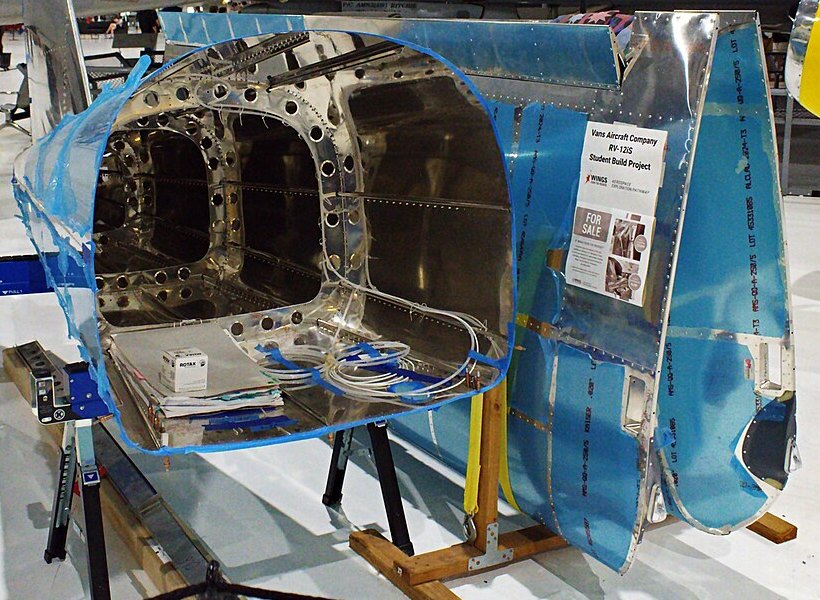
The FAA's AC 43.13-1B, paragraph 4-57, says how to read a rivet's part number and head marking, puts the minimum edge distance for a single row at two rivet diameters and spacing at three, and lists the places blind rivets are not to be used, among them control surfaces, hinges, wing attach fittings and fluid-tight areas.
26 Oct 2026
Tips & Tools
AC 43.13-1B, paragraphs 5-15 to 5-18: visual inspection with a flashlight, a mirror and a magnifier
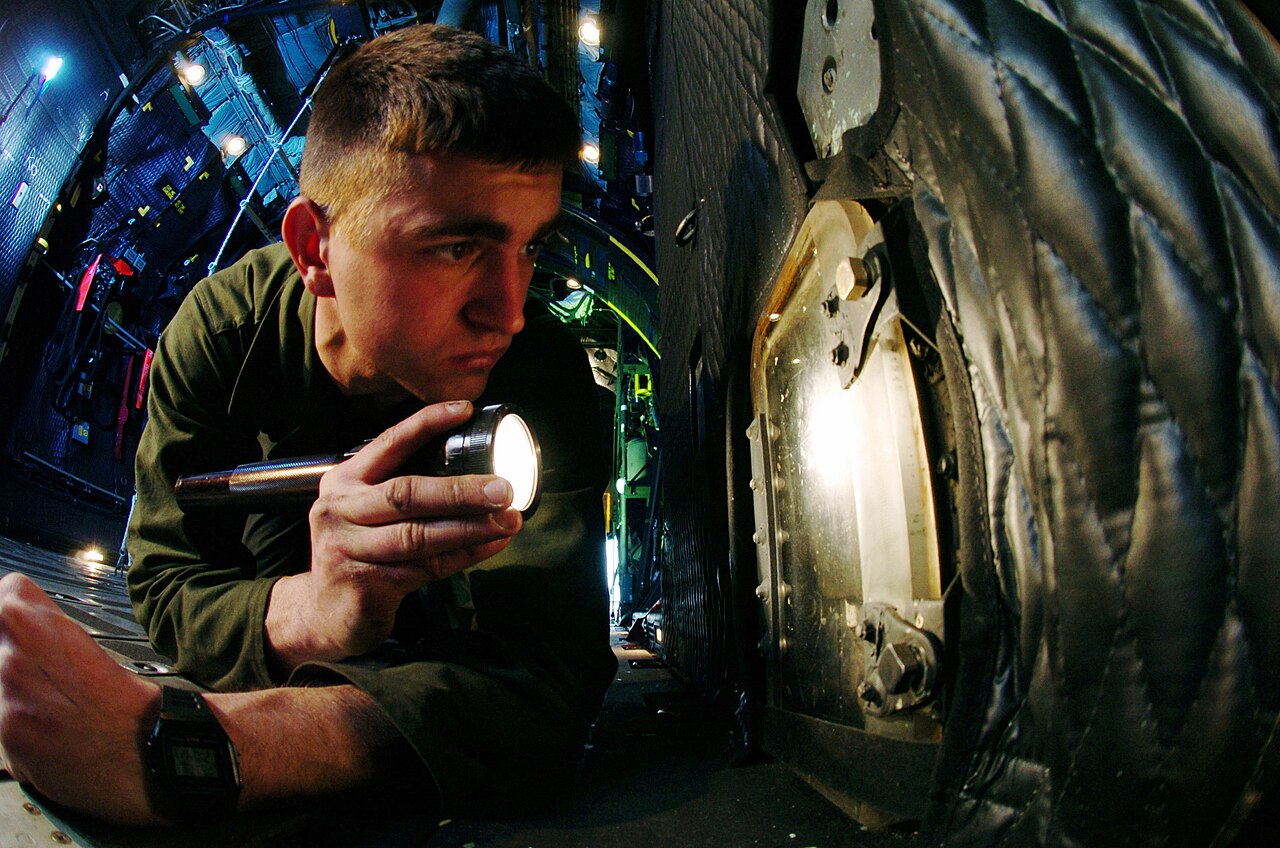
The FAA's AC 43.13-1B says about 80 percent of nondestructive inspection is done by eye, and calls the eye, a mirror and a flashlight a critical part of it. To find a surface crack, it says to hold the light at 5 to 45 degrees to the surface, keep the eyes above the reflected beam, confirm with a 10-power magnifier, and record every discrepancy.
26 Oct 2026
Tips & Tools
AC 43.13-1B, paragraphs 7-122 to 7-126: safety wire, and the rules common to every installation
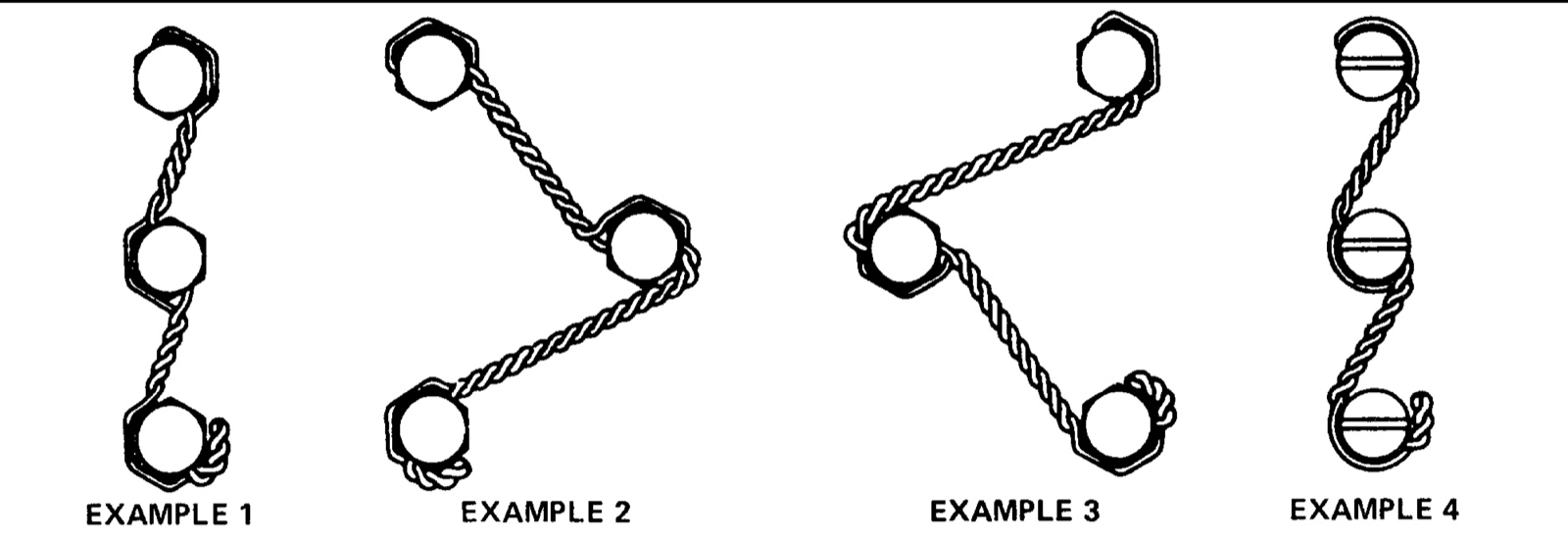
The FAA's AC 43.13-1B gives the rules for safety wire: 0.032-inch minimum for the double-twist method on most parts, wire installed so it pulls in the tightening direction, taut but never overstressed, four to six turns left at the end, and ends bent under. A nut is never loosened or overtorqued to line up a hole.
11 Oct 2026
Avionics & Electrical
AC 43.13-1B, paragraphs 11-174 to 11-179: crimped terminals, studs and the crimp tool
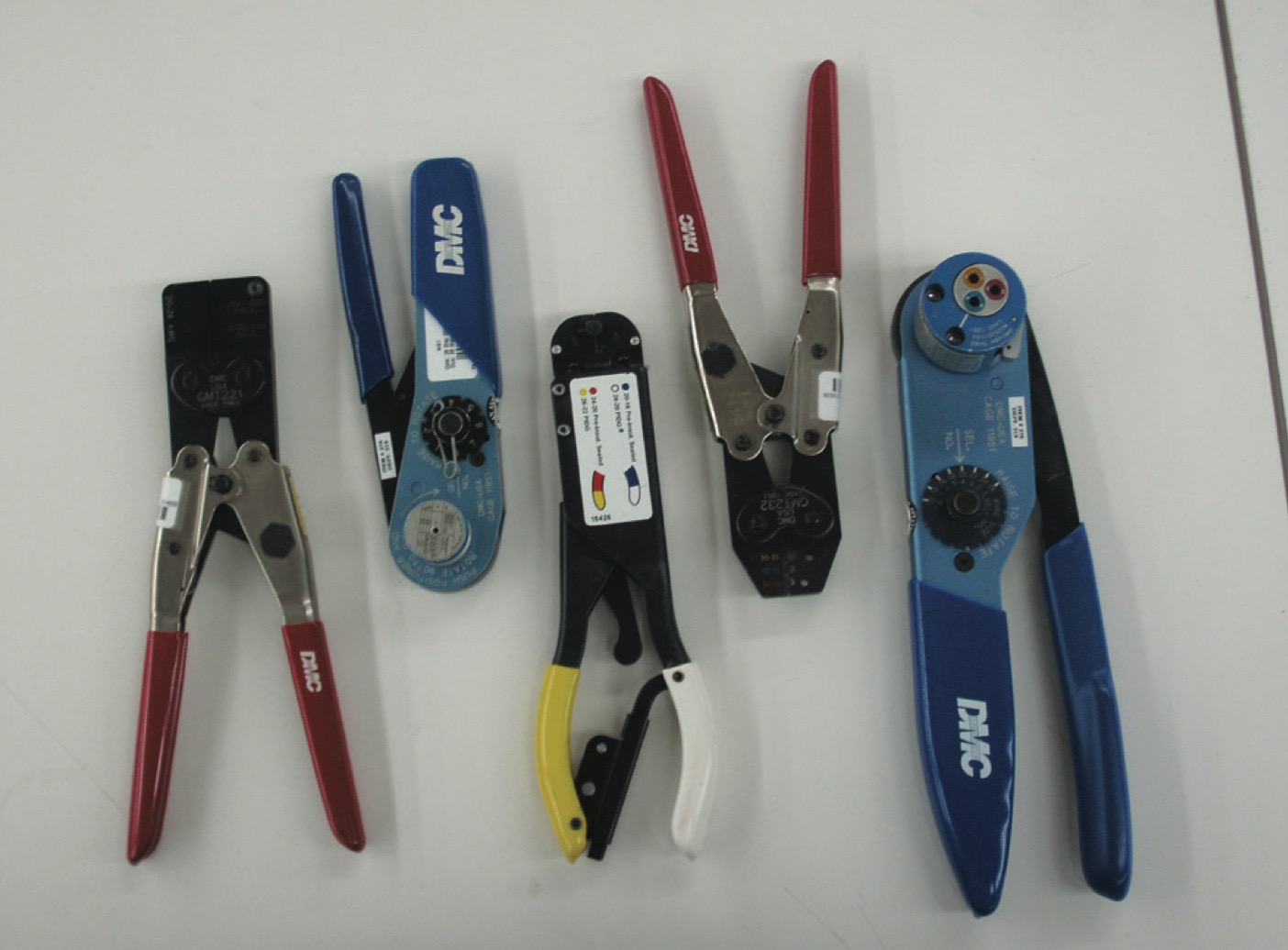
The FAA's AC 43.13-1B prefers pre-insulated, crimp-type ring terminals, installed with a ratchet-type crimp tool whose crimp depth suits the wire size. No more than four terminals, or three and a bus bar, go on one stud, with the largest hole at the bottom and nothing between the tongues.
11 Oct 2026
Avionics & Electrical
AC 43.13-1B, chapter 11: the four requirements for sizing an electrical wire
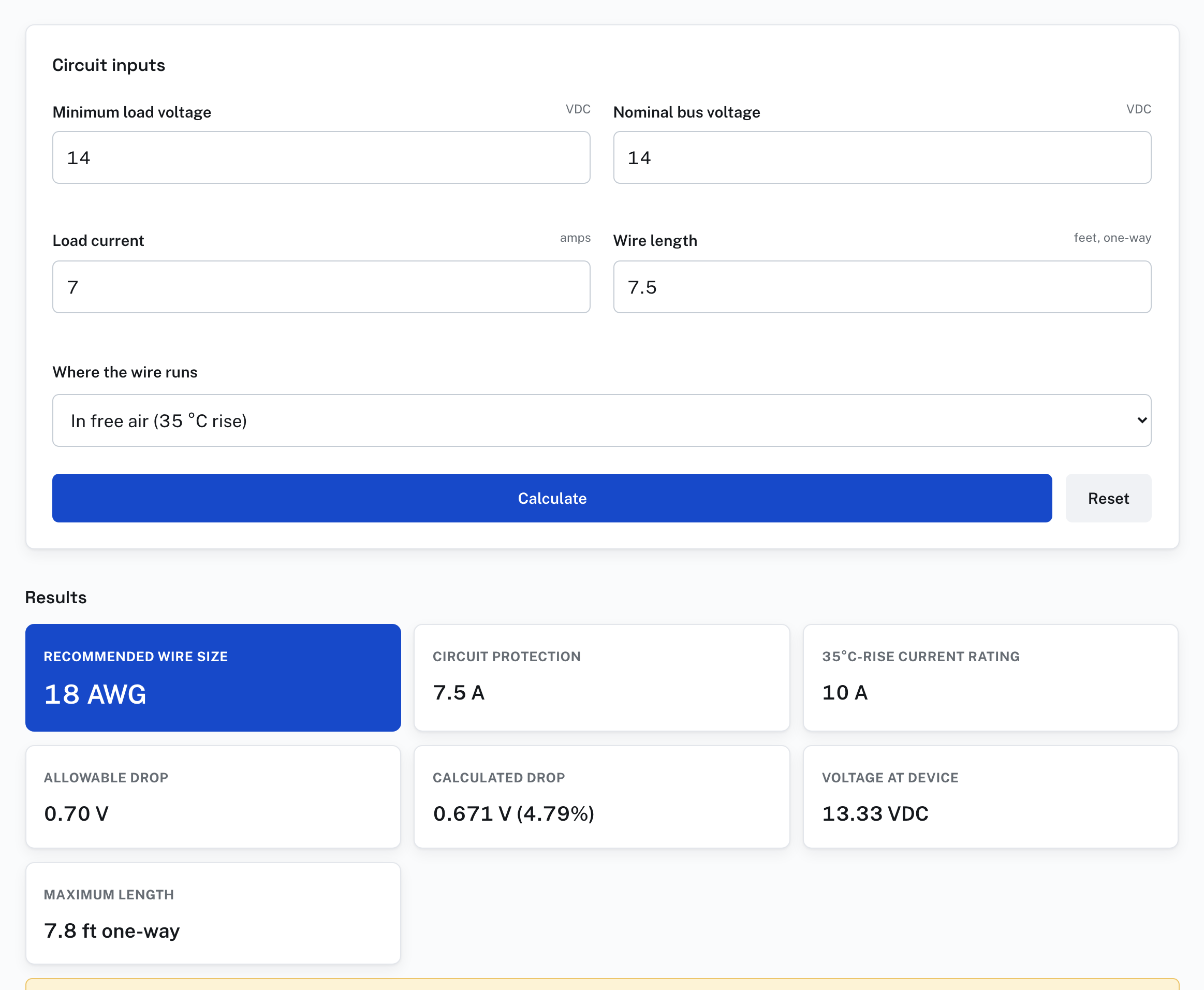
The FAA's AC 43.13-1B sets four tests for a wire: mechanical strength, voltage drop, protection by a circuit breaker or fuse, and current. On a 14-volt system the allowable drop from bus to equipment is 0.5 volt in continuous operation. Hangar Flying's wire size calculator works the sum for one circuit.
11 Oct 2026